
Wired Glass: Review of its Top Benefits
Wired Glass: Review of its Top Benefits
Wired glass isn’t just some old-school relic from your grandpa’s workshop—it’s a tough-as-nails material that holds its own when things go sideways. Think fire drills, flying debris, or an overzealous kid with a baseball bat. In places like schools and hospitals where safety isn't optional, wired glass steps up like the unsung hero of modern design.
Now here’s the kicker: according to Grand View Research, the global safety glass market is expected to hit $76.7 billion by 2030—with wired glass making quiet but meaningful gains thanks to its fire-rated perks and impact resistance. It's not flashy… but it sure delivers when it counts.
So if you're sourcing materials for big builds—think airports, high-rises, or public spaces—you’ll want something that can take a beating without breaking character. Let’s talk about what makes wired glass more than just another pane in the wall.
Key Points in Wired Glass Wonders: Strength, Safety & Style
-
Durability vs. Tempered Glass: Wired glass outperforms tempered glass in impact resistance, making it a durable choice for high-traffic and hazard-prone areas.
-
Safety Compliance: It meets strict building codes and fire safety regulations, which is why it’s often specified for schools, hospitals, and public spaces.
-
Cost Efficiency Over Time: Though initial costs may vary, wired glass proves more economical long-term due to its resilience and lower replacement rates.
-
Security Benefits: Its embedded wire mesh deters forced entry and vandalism—adding an extra layer of protection without compromising visibility.
-
Design Flexibility: Modern iterations offer aesthetic appeal with a blend of industrial charm and contemporary style—perfect for both commercial builds and residential interiors.
-
Thermal Comfort: Wired glass contributes to better indoor climate control through effective thermal insulation properties.
-
Smart Integration Potential: Tech-savvy versions can integrate with IoT systems or interactive displays, showing how wired glass is evolving from functional to futuristic.
-
Emergency Toughness: In emergencies like fires or impacts, wired glass holds together longer than traditional panes—ensuring safer evacuation routes and quicker response times across public structures.
Why Choose Wired Glass Over Traditional Options?
Looking for glass that holds up, protects, and doesn’t break the bank? Let’s unpack why wired glass might just be your best bet.
The Durability Factor: Wired Glass vs. Tempered Glass
When it comes to toughness, not all glass is created equal. Here's how wired glass stacks up against tempered glass, piece by piece:
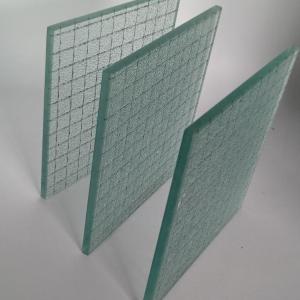
- Impact resistance: Unlike regular panes, wired glass has metal mesh embedded inside, which helps it stay intact even when cracked.
- Shatter resistance: While tempered glass breaks into chunks on impact, the wire grid in wired panels holds fragments together—reducing flying shards.
- Glass strength over time: In high-use zones like schools and factories, tempered options wear faster; the reinforced core of wired types lasts longer under repeated stress.
- Scratch resilience: The surface of most tempered sheets scuffs easily; many wired variants are treated for scratch resistance too.
- Thermal endurance: Both can take heat—but only wired versions comply with fire-rated specs in many countries due to better structural retention during fires.
So if you're dealing with doors that slam or hallways that see a lot of action, choosing something built to take a hit—like wired—is just smart planning.
Why Safety Standards Favor Wired Glass
Safety isn’t just about not breaking—it’s about what happens when things go wrong. That’s where safety codes lean heavily toward using materials like wired glass, especially in places where lives could be at stake.
▸ In fire-rated assemblies such as stairwells and emergency exits, this material stands firm while other types collapse under heat stress. That makes it a go-to choice for meeting modern building codes across North America and Europe.
▸ According to a 2024 report by the International Building Materials Council, over 70% of updated commercial construction guidelines now mandate some form of reinforced glazing near egress points—most commonly involving metal-reinforced panels like these.
▸ Unlike standard float or even toughened panes, the metal mesh embedded within provides passive containment during emergencies—offering both flame control and breakage mitigation at once.
▸ And let’s not forget liability: architects and contractors prefer materials that minimize injury risks post-impact. Because it stays mostly intact after cracking, this type reduces exposure to jagged edges dramatically compared to traditional options.
If you’re designing anything public-facing—a school hallway window or an office stairwell door—you’ll likely find yourself required by law to use something stronger than plain old tempered sheets. And often? That means going wired.
Cost-Effectiveness: Wired Glass Over Traditional Materials
Money talks—and when you look at long-term use cases for architectural glazing, few choices scream value louder than good ol’ fashioned wire-reinforced panels.