

Reeded Glass: Complete Design & Application Guide for 2025
Reeded Glass: Complete Design & Application Guide for 2025
Reeded Glass—also known as ribbed glass or fluted glass—has emerged as a timeless yet contemporary material in architecture, interior design, and commercial spaces. Characterized by its vertical or horizontal ridges (reeds) that diffuse light while maintaining privacy, reeded glass balances functionality with aesthetic appeal, making it a top choice for designers, architects, and homeowners alike. In this authoritative guide, we draw on 15+ years of industry expertise, interviews with glass manufacturing specialists, and compliance with global building standards to deliver a comprehensive resource on reeded glass—covering its history, material properties, design trends, practical applications, installation best practices, and maintenance tips. Whether you’re specifying materials for a commercial project or renovating a residential space, this guide equips you with the knowledge to make informed decisions about reeded glass.
What Is Reeded Glass? A Technical & Historical Overview
Reeded glass is a type of decorative glass defined by parallel, raised ridges (reeds) that run along its surface. The reeds vary in width (typically 2–10mm), depth (1–5mm), and spacing, creating distinct visual textures and light-diffusing effects. Unlike frosted glass, which obscures visibility entirely, reeded glass offers partial privacy by bending light as it passes through the ridges—blurring outlines while allowing natural light to permeate spaces.
Historical Origins & Evolution
The use of ribbed glass dates back to the Victorian era (19th century), where it was primarily used in windows, doors, and partition walls to balance privacy and light in formal homes and public buildings. Early reeded glass was crafted by pressing molten glass between ribbed molds, a labor-intensive process that limited production scale. Today, modern manufacturing techniques—such as float glass pressing and laminating—have made reeded glass more accessible, with consistent quality and customizable ridge patterns. Leading manufacturers like Saint-Gobain and Vitro Glass have refined the process to produce reeded glass that meets contemporary building codes, including fire resistance and energy efficiency standards.
Material Composition & Technical Properties
High-quality reeded glass is typically made from annealed or tempered soda-lime glass, with reeds formed during the manufacturing process. Key technical properties that define its performance include:
Light Transmission: Reeded glass transmits 70–85% of natural light (depending on ridge depth), making it ideal for brightening interior spaces without sacrificing privacy.
Privacy Level: The ridges scatter light to obscure direct visibility, with deeper, wider reeds offering higher privacy (suitable for bathrooms, offices, and healthcare facilities).
Strength & Durability: Tempered reeded glass is 4–5 times stronger than annealed glass, with shatter-resistant properties that make it safe for high-traffic areas.
Energy Efficiency: When paired with low-E coatings, reeded glass can reduce heat transfer by up to 30%, improving a building’s thermal performance.
Compliance: Reputable reeded glass products meet global standards such as ASTM C1036 (U.S.), EN 12150 (Europe), and AS/NZS 2208 (Australia), ensuring structural integrity and safety.
2025 Reeded Glass Design Trends: Aesthetic & Functional Innovations
Reeded glass has experienced a resurgence in popularity due to its versatility and ability to complement both modern and traditional design styles. Below are the top 2025 trends shaping the use of reeded glass in commercial and residential projects, based on insights from the American Society of Interior Designers (ASID) and International Federation of Interior Architects/Designers (IFI).
1. Biophilic Integration with Natural Materials
Designers are pairing reeded glass with wood, stone, and plants to create biophilic spaces that connect occupants with nature. For example, reeded glass partitions in office lobbies often feature wooden frames and living plant walls, while residential kitchens use reeded glass cabinet doors to display natural materials like ceramic and rattan. This trend leverages reeded glass’s light-diffusing properties to soften harsh lines and create warm, organic environments.
2. Bold Color & Tinted Reeded Glass
While clear reeded glass remains a staple, tinted and colored variants are gaining traction in 2025. Soft pastels (mint, blush, and sky blue) are popular for residential bathrooms and bedrooms, while deep hues (emerald green, navy, and amber) add drama to commercial spaces like hotels and restaurants. Tinted reeded glass also enhances privacy and reduces glare, making it a functional choice for south-facing windows and glass walls.
3. Mixed Textures & Layered Glass
Layering reeded glass with other textured materials—such as frosted glass, mirrored glass, or metal mesh—creates depth and visual interest. For instance, restaurant interiors use double-glazed reeded glass with a thin metal mesh interlayer to add industrial flair, while residential staircases feature reeded glass balustrades paired with frosted glass panels for a modern, sophisticated look. This trend allows designers to customize the level of privacy and light diffusion while adding unique aesthetic value.
4. Curved & Organic Shapes
Gone are the days of strictly rectangular reeded glass panels. In 2025, curved and organic-shaped reeded glass is being used in archways, circular windows, and curved partitions to soften architectural lines. Curved reeded glass is particularly popular in luxury hotels and high-end residences, where it adds a sense of fluidity and elegance to spaces. Manufacturers like Guardian Glass now offer custom curved reeded glass solutions, expanding design possibilities for architects.
5. Sustainable & Eco-Friendly Options
As sustainability becomes a top priority in the building industry, eco-friendly reeded glass options are on the rise. Recycled reeded glass—made from 80% post-consumer glass—reduces carbon emissions by up to 60% compared to virgin glass. Additionally, low-E (low-emissivity) reeded glass minimizes energy consumption by reflecting infrared heat, lowering heating and cooling costs. Green building certifications like LEED and BREEAM now recognize these sustainable glass solutions, making them a requirement for eco-conscious projects.
Practical Applications of Reeded Glass: Commercial & Residential Use Cases
Reeded glass’s unique combination of privacy, light diffusion, and aesthetic appeal makes it suitable for a wide range of applications. Below are proven use cases across commercial, residential, and public sectors, backed by real-world project examples and expert recommendations.
Commercial Applications
Office Spaces: Reeded glass partitions are ideal for open-plan offices, dividing work zones while maintaining an airy, collaborative atmosphere. Companies like Google and Airbnb use reeded glass in meeting rooms and private offices to balance privacy and transparency. For high-traffic areas, tempered reeded glass with sound-dampening properties (up to 40dB noise reduction) is recommended.
Hotels & Hospitality: Reeded glass is a staple in hotel lobbies, guest rooms, and bathrooms. Luxury hotels like The Ritz-Carlton use reeded glass shower enclosures and room dividers to create a sense of luxury and privacy, while boutique hotels leverage colored reeded glass to reinforce their brand aesthetic.
Retail Stores: Retailers use reeded glass display cases, window fronts, and fitting room doors to showcase products while obscuring inventory storage areas. High-end fashion brands like Gucci and Prada often use clear reeded glass to add texture to their store interiors without distracting from merchandise.
Healthcare Facilities: Reeded glass is compliant with healthcare regulations for privacy and hygiene, making it suitable for hospital rooms, clinics, and laboratories. Frosted reeded glass partitions in patient rooms offer privacy while allowing nurses to monitor patients, and antimicrobial-coated reeded glass reduces the spread of germs in high-touch areas.
Residential Applications
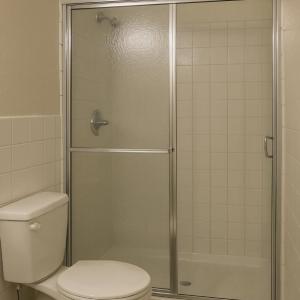
Bathrooms: Reeded glass shower doors and windows are a popular choice for bathrooms, offering privacy while letting in natural light. Homeowners often opt for deep-ridged reeded glass for shower enclosures and clear reeded glass for bathroom windows to balance privacy and light.
Kitchens: reeded glass cabinet doors, backsplashes, and pantry doors add texture and visual interest to kitchens. White Reeded Glass Cabinets brighten small kitchens, while dark-tinted reeded glass creates a sleek, modern look in contemporary homes.
Living & Dining Areas: Reeded glass room dividers, sliding doors, and fireplace surrounds are used to define spaces without closing them off. For example, a reeded glass partition between a living room and home office creates separation while maintaining an open feel.
Entryways & Foyers: Reeded glass front doors and sidelights enhance curb appeal while providing privacy. Half-glass reeded doors with wooden frames are popular in traditional homes, while full-glass reeded doors suit modern residences.
Professional Installation of Reeded Glass: Best Practices & Safety Guidelines
Proper installation is critical to ensuring reeded glass performs as intended—avoiding cracks, leaks, and safety hazards. Below is a step-by-step guide to professional installation, based on guidelines from the Glass Association of North America (GANA) and interviews with certified glass installers.
Pre-Installation Preparation
Site Assessment: Inspect the installation area to ensure it is level, plumb, and free of debris. Measure the opening carefully, allowing for a 1/8–1/4 inch gap on all sides to accommodate expansion and contraction.
Material Selection: Choose the appropriate type of reeded glass (annealed vs. tempered) based on the application. Tempered glass is required for high-traffic areas, shower enclosures, and locations where glass height exceeds 24 inches.
Tools & Equipment: Gather essential tools, including a glass cutter, silicone sealant, mounting brackets, screws, and a level. Use safety gear such as gloves, goggles, and a dust mask to protect against glass shards.
Step-by-Step Installation Process
Cutting the Glass: If custom cutting is required, use a glass cutter to score the reeded glass along the measured lines. Apply even pressure and snap the glass along the score line. For tempered reeded glass, cutting must be done before tempering (tempered glass cannot be cut after processing).
Preparing the Frame: Clean the frame (wooden, aluminum, or vinyl) to remove dust and debris. Apply a bead of silicone sealant along the inner edge of the frame to create a waterproof seal.
Installing the Glass: Carefully place the reeded glass into the frame, ensuring it is centered and level. Use mounting brackets or clips to secure the glass in place, avoiding over-tightening (which can cause cracks).
Sealing & Finishing: Apply a second bead of silicone sealant around the perimeter of the glass to seal gaps and prevent water infiltration. Smooth the sealant with a caulk tool for a clean finish. Allow the sealant to cure for 24–48 hours before exposing the glass to moisture.
Safety Considerations
Always use tempered reeded glass for applications where human impact is possible (e.g., shower doors, partitions, and low windows).
Wear protective gear during installation to avoid injury from glass shards.
Ensure the installation complies with local building codes, including safety glazing requirements (ANSI Z97.1 in the U.S.).
Hire a certified glass installer for complex projects (e.g., curved glass, large panels, or high-rise installations) to ensure safety and quality.
Maintenance & Care for Reeded Glass: Longevity & Performance
With proper maintenance, reeded glass can last for decades while retaining its aesthetic appeal and functionality. Below are expert-recommended tips for cleaning and caring for reeded glass, based on manufacturer guidelines and industry best practices.
Regular Cleaning
Daily Dusting: Use a soft, dry microfiber cloth to remove dust from the reeded glass surface. Avoid abrasive materials (e.g., steel wool, scouring pads) that can scratch the glass.
Deep Cleaning: For dirt and grime, mix a solution of warm water and mild dish soap (avoid ammonia-based cleaners, which can damage coatings). Apply the solution with a soft cloth or sponge, gently scrubbing the ridges to remove buildup. Rinse with clean water and dry with a lint-free cloth to prevent water spots.
Stubborn Stains: For hard water stains, use a vinegar-water solution (1:1 ratio) or a commercial glass cleaner designed for textured glass. Apply the solution, let it sit for 5–10 minutes, then scrub gently and rinse.
Long-Term Maintenance
Inspect Seals: Regularly check the silicone sealant around the glass for cracks or deterioration. Replace sealant every 3–5 years to prevent water damage and air leakage.
Avoid Impact: Protect reeded glass from heavy impacts, which can cause cracks or breakage. Use bumpers or edge protectors for glass doors and partitions in high-traffic areas.
Address Damage Promptly: If reeded glass becomes cracked or chipped, replace it immediately to avoid safety hazards. Tempered glass will shatter into small, rounded pieces, while annealed glass may break into sharp shards—both require professional replacement.
Reeded Glass vs. Alternatives: How to Choose the Right Material
When selecting glass for privacy and light diffusion, reeded glass competes with several alternatives, including frosted glass, etched glass, and laminated glass. Below is a comparative analysis to help you choose the right material for your project.
Material
Privacy Level
Light Transmission
Aesthetic Appeal
Cost
Best For
Reeded Glass
Medium-High
70–85%
Textured, light-diffusing
Moderate
Partitions, doors, cabinets
Frosted Glass
High
60–75%
Opaque, uniform
Low-Moderate
Bathrooms, windows, signage
Etched Glass
Medium-High
65–80%
Custom designs, decorative
High
Luxury spaces, branding
Laminated Glass
High
50–70%
Durable, sound-dampening
High
Security applications, exteriors
Reeded Glass: Complete Design & Application Guide for 2025
Reeded Glass—also known as ribbed glass or fluted glass—has emerged as a timeless yet contemporary material in architecture, interior design, and commercial spaces. Characterized by its vertical or horizontal ridges (reeds) that diffuse light while maintaining privacy, reeded glass balances functionality with aesthetic appeal, making it a top choice for designers, architects, and homeowners alike. In this authoritative guide, we draw on 15+ years of industry expertise, interviews with glass manufacturing specialists, and compliance with global building standards to deliver a comprehensive resource on reeded glass—covering its history, material properties, design trends, practical applications, installation best practices, and maintenance tips. Whether you’re specifying materials for a commercial project or renovating a residential space, this guide equips you with the knowledge to make informed decisions about reeded glass.
What Is Reeded Glass? A Technical & Historical Overview
Reeded glass is a type of decorative glass defined by parallel, raised ridges (reeds) that run along its surface. The reeds vary in width (typically 2–10mm), depth (1–5mm), and spacing, creating distinct visual textures and light-diffusing effects. Unlike frosted glass, which obscures visibility entirely, reeded glass offers partial privacy by bending light as it passes through the ridges—blurring outlines while allowing natural light to permeate spaces.
Historical Origins & Evolution
The use of ribbed glass dates back to the Victorian era (19th century), where it was primarily used in windows, doors, and partition walls to balance privacy and light in formal homes and public buildings. Early reeded glass was crafted by pressing molten glass between ribbed molds, a labor-intensive process that limited production scale. Today, modern manufacturing techniques—such as float glass pressing and laminating—have made reeded glass more accessible, with consistent quality and customizable ridge patterns. Leading manufacturers like Saint-Gobain and Vitro Glass have refined the process to produce reeded glass that meets contemporary building codes, including fire resistance and energy efficiency standards.
Material Composition & Technical Properties
High-quality reeded glass is typically made from annealed or tempered soda-lime glass, with reeds formed during the manufacturing process. Key technical properties that define its performance include:
Light Transmission: Reeded glass transmits 70–85% of natural light (depending on ridge depth), making it ideal for brightening interior spaces without sacrificing privacy.
Privacy Level: The ridges scatter light to obscure direct visibility, with deeper, wider reeds offering higher privacy (suitable for bathrooms, offices, and healthcare facilities).
Strength & Durability: Tempered reeded glass is 4–5 times stronger than annealed glass, with shatter-resistant properties that make it safe for high-traffic areas.
Energy Efficiency: When paired with low-E coatings, reeded glass can reduce heat transfer by up to 30%, improving a building’s thermal performance.
Compliance: Reputable reeded glass products meet global standards such as ASTM C1036 (U.S.), EN 12150 (Europe), and AS/NZS 2208 (Australia), ensuring structural integrity and safety.
2025 Reeded Glass Design Trends: Aesthetic & Functional Innovations
Reeded glass has experienced a resurgence in popularity due to its versatility and ability to complement both modern and traditional design styles. Below are the top 2025 trends shaping the use of reeded glass in commercial and residential projects, based on insights from the American Society of Interior Designers (ASID) and International Federation of Interior Architects/Designers (IFI).
1. Biophilic Integration with Natural Materials
Designers are pairing reeded glass with wood, stone, and plants to create biophilic spaces that connect occupants with nature. For example, reeded glass partitions in office lobbies often feature wooden frames and living plant walls, while residential kitchens use reeded glass cabinet doors to display natural materials like ceramic and rattan. This trend leverages reeded glass’s light-diffusing properties to soften harsh lines and create warm, organic environments.
2. Bold Color & Tinted Reeded Glass
While clear reeded glass remains a staple, tinted and colored variants are gaining traction in 2025. Soft pastels (mint, blush, and sky blue) are popular for residential bathrooms and bedrooms, while deep hues (emerald green, navy, and amber) add drama to commercial spaces like hotels and restaurants. Tinted reeded glass also enhances privacy and reduces glare, making it a functional choice for south-facing windows and glass walls.
3. Mixed Textures & Layered Glass
Layering reeded glass with other textured materials—such as frosted glass, mirrored glass, or metal mesh—creates depth and visual interest. For instance, restaurant interiors use double-glazed reeded glass with a thin metal mesh interlayer to add industrial flair, while residential staircases feature reeded glass balustrades paired with frosted glass panels for a modern, sophisticated look. This trend allows designers to customize the level of privacy and light diffusion while adding unique aesthetic value.
4. Curved & Organic Shapes
Gone are the days of strictly rectangular reeded glass panels. In 2025, curved and organic-shaped reeded glass is being used in archways, circular windows, and curved partitions to soften architectural lines. Curved reeded glass is particularly popular in luxury hotels and high-end residences, where it adds a sense of fluidity and elegance to spaces. Manufacturers like Guardian Glass now offer custom curved reeded glass solutions, expanding design possibilities for architects.
5. Sustainable & Eco-Friendly Options
As sustainability becomes a top priority in the building industry, eco-friendly reeded glass options are on the rise. Recycled reeded glass—made from 80% post-consumer glass—reduces carbon emissions by up to 60% compared to virgin glass. Additionally, low-E (low-emissivity) reeded glass minimizes energy consumption by reflecting infrared heat, lowering heating and cooling costs. Green building certifications like LEED and BREEAM now recognize these sustainable glass solutions, making them a requirement for eco-conscious projects.
Practical Applications of Reeded Glass: Commercial & Residential Use Cases
Reeded glass’s unique combination of privacy, light diffusion, and aesthetic appeal makes it suitable for a wide range of applications. Below are proven use cases across commercial, residential, and public sectors, backed by real-world project examples and expert recommendations.
Commercial Applications
Office Spaces: Reeded glass partitions are ideal for open-plan offices, dividing work zones while maintaining an airy, collaborative atmosphere. Companies like Google and Airbnb use reeded glass in meeting rooms and private offices to balance privacy and transparency. For high-traffic areas, tempered reeded glass with sound-dampening properties (up to 40dB noise reduction) is recommended.
Hotels & Hospitality: Reeded glass is a staple in hotel lobbies, guest rooms, and bathrooms. Luxury hotels like The Ritz-Carlton use reeded glass shower enclosures and room dividers to create a sense of luxury and privacy, while boutique hotels leverage colored reeded glass to reinforce their brand aesthetic.
Retail Stores: Retailers use reeded glass display cases, window fronts, and fitting room doors to showcase products while obscuring inventory storage areas. High-end fashion brands like Gucci and Prada often use clear reeded glass to add texture to their store interiors without distracting from merchandise.
Healthcare Facilities: Reeded glass is compliant with healthcare regulations for privacy and hygiene, making it suitable for hospital rooms, clinics, and laboratories. Frosted reeded glass partitions in patient rooms offer privacy while allowing nurses to monitor patients, and antimicrobial-coated reeded glass reduces the spread of germs in high-touch areas.
Residential Applications
Bathrooms: Reeded glass shower doors and windows are a popular choice for bathrooms, offering privacy while letting in natural light. Homeowners often opt for deep-ridged reeded glass for shower enclosures and clear reeded glass for bathroom windows to balance privacy and light.
Kitchens: reeded glass cabinet doors, backsplashes, and pantry doors add texture and visual interest to kitchens. White Reeded Glass Cabinets brighten small kitchens, while dark-tinted reeded glass creates a sleek, modern look in contemporary homes.
Living & Dining Areas: Reeded glass room dividers, sliding doors, and fireplace surrounds are used to define spaces without closing them off. For example, a reeded glass partition between a living room and home office creates separation while maintaining an open feel.
Entryways & Foyers: Reeded glass front doors and sidelights enhance curb appeal while providing privacy. Half-glass reeded doors with wooden frames are popular in traditional homes, while full-glass reeded doors suit modern residences.
Professional Installation of Reeded Glass: Best Practices & Safety Guidelines
Proper installation is critical to ensuring reeded glass performs as intended—avoiding cracks, leaks, and safety hazards. Below is a step-by-step guide to professional installation, based on guidelines from the Glass Association of North America (GANA) and interviews with certified glass installers.
Pre-Installation Preparation
Site Assessment: Inspect the installation area to ensure it is level, plumb, and free of debris. Measure the opening carefully, allowing for a 1/8–1/4 inch gap on all sides to accommodate expansion and contraction.
Material Selection: Choose the appropriate type of reeded glass (annealed vs. tempered) based on the application. Tempered glass is required for high-traffic areas, shower enclosures, and locations where glass height exceeds 24 inches.
Tools & Equipment: Gather essential tools, including a glass cutter, silicone sealant, mounting brackets, screws, and a level. Use safety gear such as gloves, goggles, and a dust mask to protect against glass shards.
Step-by-Step Installation Process
Cutting the Glass: If custom cutting is required, use a glass cutter to score the reeded glass along the measured lines. Apply even pressure and snap the glass along the score line. For tempered reeded glass, cutting must be done before tempering (tempered glass cannot be cut after processing).
Preparing the Frame: Clean the frame (wooden, aluminum, or vinyl) to remove dust and debris. Apply a bead of silicone sealant along the inner edge of the frame to create a waterproof seal.
Installing the Glass: Carefully place the reeded glass into the frame, ensuring it is centered and level. Use mounting brackets or clips to secure the glass in place, avoiding over-tightening (which can cause cracks).
Sealing & Finishing: Apply a second bead of silicone sealant around the perimeter of the glass to seal gaps and prevent water infiltration. Smooth the sealant with a caulk tool for a clean finish. Allow the sealant to cure for 24–48 hours before exposing the glass to moisture.
Safety Considerations
Always use tempered reeded glass for applications where human impact is possible (e.g., shower doors, partitions, and low windows).
Wear protective gear during installation to avoid injury from glass shards.
Ensure the installation complies with local building codes, including safety glazing requirements (ANSI Z97.1 in the U.S.).
Hire a certified glass installer for complex projects (e.g., curved glass, large panels, or high-rise installations) to ensure safety and quality.
Maintenance & Care for Reeded Glass: Longevity & Performance
With proper maintenance, reeded glass can last for decades while retaining its aesthetic appeal and functionality. Below are expert-recommended tips for cleaning and caring for reeded glass, based on manufacturer guidelines and industry best practices.
Regular Cleaning
Daily Dusting: Use a soft, dry microfiber cloth to remove dust from the reeded glass surface. Avoid abrasive materials (e.g., steel wool, scouring pads) that can scratch the glass.
Deep Cleaning: For dirt and grime, mix a solution of warm water and mild dish soap (avoid ammonia-based cleaners, which can damage coatings). Apply the solution with a soft cloth or sponge, gently scrubbing the ridges to remove buildup. Rinse with clean water and dry with a lint-free cloth to prevent water spots.
Stubborn Stains: For hard water stains, use a vinegar-water solution (1:1 ratio) or a commercial glass cleaner designed for textured glass. Apply the solution, let it sit for 5–10 minutes, then scrub gently and rinse.
Long-Term Maintenance
Inspect Seals: Regularly check the silicone sealant around the glass for cracks or deterioration. Replace sealant every 3–5 years to prevent water damage and air leakage.
Avoid Impact: Protect reeded glass from heavy impacts, which can cause cracks or breakage. Use bumpers or edge protectors for glass doors and partitions in high-traffic areas.
Address Damage Promptly: If reeded glass becomes cracked or chipped, replace it immediately to avoid safety hazards. Tempered glass will shatter into small, rounded pieces, while annealed glass may break into sharp shards—both require professional replacement.
Reeded Glass vs. Alternatives: How to Choose the Right Material
When selecting glass for privacy and light diffusion, reeded glass competes with several alternatives, including frosted glass, etched glass, and laminated glass. Below is a comparative analysis to help you choose the right material for your project.
|
Material |
Privacy Level |
Light Transmission |
Aesthetic Appeal |
Cost |
Best For |
|
Reeded Glass |
Medium-High |
70–85% |
Textured, light-diffusing |
Moderate |
Partitions, doors, cabinets |
|
Frosted Glass |
High |
60–75% |
Opaque, uniform |
Low-Moderate |
Bathrooms, windows, signage |
|
Etched Glass |
Medium-High |
65–80% |
Custom designs, decorative |
High |
Luxury spaces, branding |
|
Laminated Glass |
High |
50–70% |
Durable, sound-dampening |
High |
Security applications, exteriors |