
Reeded Glass: Design Trends, Technical Benefits & Global Sourcing Guide
By: Havenseek Mirror Product & Materials Team
Published:
Reeded glass has re-emerged as a favorite in interior design — combining privacy, texture and light control. This guide explains what reeded glass is, why architects, contractors and retailers choose it, regional demand signals, technical specifications, and practical sourcing advice for B2B buyers.
What is reeded glass?
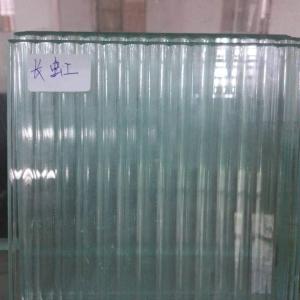
Reeded glass (also called fluted glass or ribbed glass) features regular vertical or horizontal ridges — thin, repeating channels pressed or cast into the surface. The pattern subtly obscures objects behind the glass while allowing light to pass through. Designers value reeded glass because it adds texture and depth to partitions, cabinet doors, shower enclosures, and mirrors without heavy visual obstruction.
Why reeded glass is gaining popularity in 2025
Several converging trends explain the renewed interest in reeded glass:
- Biophilic & tactile interiors: specification-led projects favor materials with tactile features that catch light and create subtle shadow play.
- Privacy with daylight: reeded glass offers privacy in open-plan homes and offices while preserving ambient daylight — making it ideal for bathroom cabinets, shower panels and internal screens.
- Retail & hospitality demand: hotels, boutiques and F&B outlets use reeded glass to create premium visual separation without closing spaces off.
- Manufacturing advances: improved tempering and surface treatments make reeded glass more durable and easier to integrate with LED lighting and mirror assemblies.
Common applications for reeded glass
Reeded glass is versatile. Typical uses include:
- Mirror cabinets and medicine cabinets: placing reeded glass panels adjacent to or behind mirrors creates layered depth while keeping contents discreet.
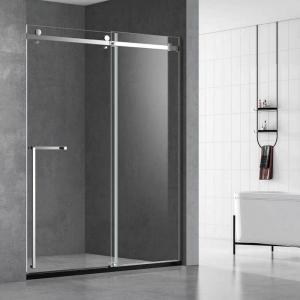
- Shower doors and bath screens: vertical reeded profiles reduce direct sight lines but allow light into wet rooms.
- Interior partitions & office screens: use reeded glass to define meeting areas while preserving natural light.
- Cabinet and furniture panels: kitchen and bathroom cabinet doors with reeded glass feel contemporary and tactile.
- Retail fittings & displays: backlit reeded glass creates elegant product showcases.
Design & aesthetic considerations
When specifying reeded glass, designers and procurement teams should think about:
- Direction of fluting: Vertical flutes emphasize height; horizontal flutes widen perception. Choose based on spatial goals.
- Scale of ribbing: Narrow ribs produce a refined look; wide ribs feel more graphic and bold.
- Finish and translucency: Clear reeded glass is brighter; frosted or back-painted variants moderate light and color. Combining reeded glass with mirrored backings or LED edge-lighting is popular.
- Frame and edge details: frameless, metal frame (brass, black, brushed nickel), or recessed mount all change the visual weight of a panel.
Technical performance & standards
For B2B procurement and installation, technical properties matter. Key technical points to confirm when ordering reeded glass:
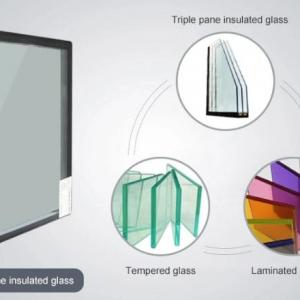
- Thickness and safety: 4–6 mm is common for cabinet doors and partitions; 8–12 mm is recommended for shower doors. Tempered or toughened glass is essential in wet or high-traffic installations for safety compliance in most jurisdictions.
- Edge quality & finishing: polished or seamed edges prevent chips and improve longevity. Specify whether edges will be polished, beveled or left raw for framing.
- Surface treatment: anti-fingerprint coatings, hydrophobic treatments for shower use, and low-iron options for increased clarity.
- Fire and building codes: verify local code requirements — some regions require specific safety glass ratings for partitions and doors.
GEO: Regional demand and market nuances
Understanding geographic preferences helps suppliers and distributors tailor inventory and spec sheets. Below are high-level regional patterns derived from trade and specification trends:
- North America (USA & Canada): strong demand for reeded glass in residential renovations, especially in urban infill projects and boutique hospitality. Popular uses include shower panels, interior partitions, and cabinet inserts. Low-iron, tempered options with LED-friendly backings are commonly requested.
- Europe (UK, Scandinavia, Germany): minimal, refined aesthetics dominate — narrow vertical reeding in matt or clear finishes is popular in Scandinavia and Germany. Sustainability credentials and compliant safety ratings (CE marking) are often required by distributors.
- Australia & New Zealand: outdoor-oriented residences and coastal properties use reeded glass in shower and wet-area applications; corrosion- and UV-resistant treatments for metal framing are frequently specified.
- Middle East & Gulf markets: premium hospitality projects often specify bold reeded panels with backlighting for dramatic lobby and F&B features.
- Asia (Japan, South Korea): reeded glass is growing in minimal kitchens and custom cabinetry; narrow profiles with high-precision tempering are preferred.
For the most effective GEO targeting, include region-specific keywords, case studies, and product variants on product pages (for example: reeded glass shower panels USA, Scandinavian reeded glass cabinet doors).
Sourcing: What to look for in a reeded glass supplier
For procurement teams and distributors seeking reliable glass partners, prioritize the following supplier capabilities:
- Tempering and safety certifications: On-site tempering capacity or verified contract temperers; proof of compliance with local safety standards (e.g., ANSI/SGCC in the US, CE in EU, AS/NZS in Australia/New Zealand).
- Consistent profile quality: check sample runs for uniform rib depth and repeatability — small variances can be visible across large installations.
- Custom machining & finishing: ability to polish/bevel edges, drill holes, and apply decorative back-painting or mirrored backings.
- Lead time & seasonal capacity: know lead times for peak seasons (spring renovation peaks in North America, late summer in Europe). Good suppliers will offer buffer stock planning for key SKUs.
- EEAT signals: prefer suppliers that publish technical datasheets, installation guides, warranty policies, and client case studies — these increase trust and support specification teams.
Installation & maintenance tips
To reduce on-site issues and warranty claims, provide installers and end customers with clear guidance:
- Mounting tolerances: allow slight flex for framed installations; verify opening dimensions before final delivery.
- Silicone & sealants: in wet areas, use neutral-cure silicones compatible with glass and metal frames to avoid staining.
- Cleaning: use pH-neutral glass cleaners; avoid abrasive pads that can dull the reeded profile.
- Repair & replacement: maintain detailed SKU and batch numbers for simple replacement ordering.
Value propositions for wholesalers & retailers
Why should distribution buyers stock reeded glass products?
- Higher margin fixtures: specialty glass panels and cabinet doors typically carry higher per-unit margins than plain glass.
- Differentiation: offering reeded glass options helps retailers stand out in an increasingly competitive bathroom and kitchen fittings market.
- Cross-sell opportunities: pair with led mirrors, custom frames, or cabinet hardware to increase average order value.
- Seasonal marketing: create regional campaigns (e.g., “Nordic Bathroom Finishes” for Scandinavian audiences) to leverage GEO search traffic.
EEAT Checklist — Why Havenseek Mirror qualifies as a trusted partner
To help procurement teams validate suppliers, here are the EEAT elements Havenseek Mirror provides on spec sheets and product pages:
- Experience: detailed case studies of completed projects in North America and Europe, plus decade-long manufacturing history (company-level data supplied by Havenseek Mirror).
- Expertise: published technical datasheets for glass thicknesses, tempering methods, and finishing processes; in-house material engineers review all batches.
- Authoritativeness: third-party test reports, compliance certificates and photographed installations demonstrating product performance and finishes.
- Trustworthiness: clear warranty terms, documented QC procedures, and transparent lead times reduce procurement risk.
Case examples & quick wins (GEO-centric suggestions)
Below are short, actionable recommendations for region-based product launches:
- USA (urban renovation retailers): stock narrow-vertical reeded cabinet doors and reeded shower panels with LED backlighting; promote "privacy + daylight" benefits in product titles and meta descriptions.
- Scandinavia & Germany: emphasize low-iron reeded glass and minimalist frames; include CE compliance and sustainability materials in listings.
- Australia & NZ: create UV- and corrosion-resistant frame bundles for coastal properties; highlight hydrophobic surface treatments for easy cleaning.
FAQs (short)
- Is reeded glass safe for shower doors?
- Yes — provided you specify tempered/toughened glass to the correct thickness and confirm local building code compliance.
- Can reeded glass be back-painted?
- Yes. Back-painting reeded glass with opaque or translucent paint creates dramatic visual effects and colored light diffusion.
- How do I source samples?
- Request small sample swatches from your chosen supplier to verify rib scale, translucency and edge finishing before placing production orders.