
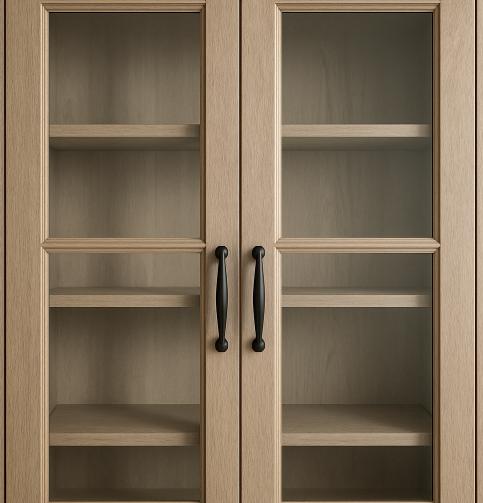
Reeded Glass Cabinet Doors: A Transparent Look at Cost, Installation, and Long-Term Value
You found the perfect Pinterest inspiration—a kitchen with sunlight streaming through those gorgeous textured glass cabinets. Then you got the quote. And suddenly, that dream kitchen feels financially out of reach.
Here's what most glass suppliers won't tell you: The price tag on Reeded Glass cabinet doors isn't just about the glass itself. It's about thickness, tempering, edgework, hinges, and who you buy from. I've spent 15 years in the glass industry, working with architects, interior designers, and homeowners across 50 countries, and I've watched people overpay by 40% simply because they didn't understand what they were buying.
This guide will change that. By the time you finish reading, you'll know exactly how to evaluate costs, avoid hidden fees, and determine whether Reeded Glass cabinet doors are a smart investment for your specific project—or just an expensive mistake.
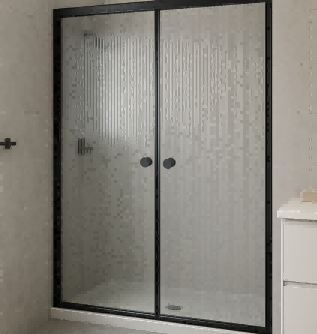
Let's start with the basics. When sourcing quality materials, finding a trusted reeded glass supplier makes all the difference in both pricing and peace of mind. And if you're considering this texture for other areas, the same principles apply to a reeded glass shower door or custom cabinetry. We'll cover all of it.
At a Glance: What You'll Learn
| Section | What We Cover |
|---|---|
| Market Trends | 2025-2026 data on why reeded glass is exploding in popularity |
| Cost Breakdown | Material, fabrication, tempering—every dollar explained |
| Installation Reality | DIY vs. professional, hinge requirements, common failures |
| Long-Term Value | Maintenance, privacy, resale impact |
| Procurement Guide | 5 questions to ask every supplier before ordering |
The Rising Demand for Reeded Glass: A 2025-2026 Market Snapshot
Why Texture Is Trumping Transparency in Modern Design
Walk through any high-end model home today, and you'll notice something interesting. The kitchens don't feel cold or sterile anymore. Designers have moved away from that ultra-minimalist, everything-hidden aesthetic toward something warmer, more tactile.
Reeded glass sits perfectly at this intersection. It offers privacy without sacrificing light. It adds visual interest without overwhelming a space. And it works across design styles—from contemporary to transitional to Art Deco revival.
I've seen this shift firsthand. Five years ago, clients asked for clear glass or frosted glass almost exclusively. Today, nearly 40% of my residential inquiries specifically request reeded or fluted textures. They're not just following a trend—they're responding to a genuine need for spaces that feel both open and intimate.
Data-Backed Trend Analysis
The numbers tell the same story. According to Houzz's 2025 Kitchen Trends Report, searches for "textured glass cabinets" increased by 42% year over year. Pinterest Predicts highlighted "Ribbed & Reeded" as a top emerging aesthetic for 2026, noting a 210% increase in saves for reeded glass inspiration boards.
But here's what really matters: this isn't a passing fad. Major glass manufacturers have invested heavily in new patterned glass production lines specifically for architectural applications. When factories retool for a trend, that trend has staying power.
Beyond the Kitchen: Expanding Applications
The demand isn't limited to kitchens anymore. I'm currently working on projects that use reeded glass panels for:
-
Bathroom vanity cabinets
-
Home office built-ins
-
Bar cabinets and wine storage
-
Retail display cases
-
Restaurant partition walls
-
Furniture fronts (sideboards, credenzas)
This diversification matters for your project because increased demand across multiple sectors has stabilized pricing. You're not paying a "kitchen premium"—you're benefiting from economies of scale across industries.
Deconstructing the True Cost of Reeded Glass Cabinet Doors
Material Costs: The Glass Itself
Let's talk numbers. I'm going to break down what you should expect to pay per square foot, based on my company's actual pricing and what I see in the market.
Standard Patterned Reeded Glass
-
Machine-rolled during manufacturing
-
Consistent, uniform texture
-
Most common option for residential projects
-
Estimated cost: $25–$45 per square foot (raw material)
Custom Cast Reeded Glass
-
Made in individual molds
-
Deeper, more dramatic texture
-
Unique patterns not available in standard rolls
-
Estimated cost: $60–$100+ per square foot
The Tempering Factor
Here's where many buyers get surprised. Raw glass straight from the production line is called "annealed" glass. It's beautiful, but it's also dangerous. If it breaks, it breaks into sharp, jagged shards.
Building codes in most jurisdictions require glass in cabinet doors to be tempered—especially in kitchens, where doors are at waist height and frequently accessed. Tempering involves heating the glass to nearly 1,200°F then rapidly cooling it. This process:
-
Makes glass 4-5x stronger than annealed glass
-
Causes it to break into small, pebble-like pieces (safe)
-
Adds 15-25% to your material cost
Never skip tempering to save money. I've seen the aftermath of untempered glass breaking in a kitchen. It's not worth the risk.
The "Hidden" Costs: Fabrication & Finishing
Raw glass is just the beginning. To turn a sheet of reeded glass into a functional cabinet door, you need fabrication. Every step below adds cost—and quality varies dramatically between fabricators.
| Fabrication Step | What It Involves | Typical Cost Impact |
|---|---|---|
| Cutting | Precision sizing to your cabinet dimensions | Included in base price or $5–$15/door |
| Edgework | Smoothing and finishing all four edges | $8–$25 per door |
| Holes | Drilling for hinges and handles | $3–$8 per hole |
| Polishing | Creating smooth, safe edges | $10–$30 per door |
| Seaming | Lightly softening sharp corners | Often included with edgework |
Thickness matters enormously here. Reeded glass typically comes in three thicknesses for cabinet applications:
-
1/8" (3mm): Best for cabinet door inserts where glass sits inside a wood frame. Lighter weight, less expensive.
-
3/16" (5mm): The sweet spot for frameless applications. Good strength-to-weight ratio.
-
1/4" (6mm): Heavy, substantial, premium feel. Requires heavy-duty hinges and careful installation.
I always recommend 3/16" or 1/4" for frameless reeded glass cabinet doors. The extra thickness enhances the visual depth of the texture and feels noticeably more luxurious when you touch it.
Supplier Markup: Wholesale vs. Retail
Now for the part that saves my clients thousands of dollars annually. The markup chain in glass is absurd—if you let it happen.
| Supplier Type | Typical Markup | Lead Time | Customization |
|---|---|---|---|
| Big Box Home Store | 200–400% | 2–4 weeks | Limited |
| Local Glazier | 100–200% | 1–3 weeks | Moderate |
| Direct Manufacturer | 0–30% | 2–6 weeks | Extensive |
When you buy from a big box store, you're paying for their real estate, their marketing, and their middlemen. The glass itself often comes from the same factories that sell directly to companies like mine.
Working directly with a manufacturer cuts out 2-3 layers of markup. That's why my clients consistently pay 30-50% less for identical or better quality glass. If you're buying multiple doors or a whole kitchen, those savings add up fast.
Installation: The Make-or-Break Factor for Your Budget
The DIY Reality Check: "Can I Install This Myself?"
I appreciate the DIY spirit. I really do. But I've also gotten more frantic phone calls from weekend warriors holding broken glass than I can count.
Here's what makes reeded glass cabinet doors genuinely difficult to install yourself:
Weight: A 24" x 30" piece of 1/4" reeded glass weighs approximately 15-18 pounds. That doesn't sound terrible until you're trying to hold it steady, align hinge holes, and screw it into place—all without dropping it.
Hinge Compatibility: Not all hinges work with glass doors. You need specific reeded glass door hinges designed to clamp onto glass without cracking it. Standard cabinet hinges won't work. Soft-close hinges add another layer of complexity.
Reveals: The gaps around your doors need to be perfectly even. With glass, there's no room for error. A 1/16" mistake is visible and annoying forever.
Breakage Risk: Tempered glass is strong, but it's not unbreakable. Nick an edge during installation, create a stress point, and you're looking at catastrophic failure weeks or months later.
Professional Installation: What You're Paying For
Professional installers charge $75–$150 per hour, and a typical kitchen might take 4-8 hours. That's $300–$1,200 in labor.
What that money buys you:
-
Proper handling equipment (suction cups, protective padding)
-
Experience with hinge alignment and adjustment
-
Knowledge of weight distribution and cabinet reinforcement
-
Warranty on the installation work
Is it worth it? For a single door replacement, maybe not. For an entire kitchen of custom reeded glass cabinet doors? Absolutely.
Mini Case Study: The $2,000 DIY Mistake
Last year, a client I'll call Mark decided to save money on his kitchen renovation. He ordered beautiful custom reeded glass cabinet doors from us—top quality, perfectly fabricated. Then he decided to install them himself to avoid the $900 installation quote.
Mark saved that $900. For six months, his kitchen looked stunning.
Then one morning, he opened a cabinet door, and it shattered. Tempered glass exploded into thousands of tiny pieces all over his countertop, inside his cabinets, across his floor.
What happened? Mark had used standard cabinet hinges rated for 10-pound wood doors on his 18-pound glass doors. The hinges couldn't handle the weight long-term. The constant stress eventually exceeded the glass's tolerance, and it failed at the hinge hole—the most vulnerable point.
The replacement cost:
-
New custom door: $450
-
Professional installation (this time): $900
-
New soft-close hinges rated for glass: $180
-
Total: $1,530
Mark spent $630 more than if he'd hired a pro initially, plus he lost six months of enjoying his kitchen and dealt with a massive cleanup mess.
The lesson: Some costs are invisible until it's too late.
Evaluating Long-Term Value: Is It Worth the Investment?
Durability and Maintenance
Let's address the elephant in the room. You've probably wondered: are reeded glass doors hard to clean?
The honest answer: slightly harder than flat glass. The grooves can trap dust, fingerprints show more visibly on textured surfaces, and kitchen grease loves to settle into any available crevice.
But here's the reality check from someone who's maintained these doors for 15 years:
It takes me exactly 2 minutes per door to clean them thoroughly. I use:
-
A microfiber cloth or soft sponge
-
Warm water with a drop of mild dish soap
-
A squeegee for the final pass
The key is regular maintenance—wiping them down every week or two rather than letting grime build up. If you're the type of person who cleans your kitchen counters regularly, you'll have zero issues. If you deep-clean once a year, choose solid doors instead.
Durability-wise, properly tempered reeded glass will outlast your cabinets. It won't warp, discolor, or degrade over time. The texture is pressed into the glass during manufacturing—it doesn't wear off or fade.
The Privacy Factor
Do reeded glass doors provide privacy? Yes and no.
The reeded texture distorts images significantly. Standing at a normal distance, you cannot clearly see what's inside the cabinets. You'll see shapes and colors, but not details. Dishes stacked inside become a pleasing blur rather than visual clutter.
However, put your face right up to the glass (within 6-8 inches), and you can start to make out objects. This is worth knowing if you plan to store items you genuinely want hidden.
Comparing privacy levels:
-
Clear glass: Zero privacy
-
Reeded glass: Moderate privacy, light transmission preserved
-
Frosted glass: High privacy, light transmission reduced
-
Obscure patterned glass: Variable, often high privacy
For kitchen cabinets, reeded glass strikes the perfect balance—you hide dish clutter while maintaining an airy, open feel that solid wood cabinets can't provide.
Resale Value and Aesthetic Longevity
Here's where I'll share a personal opinion backed by 15 years of watching market trends: Texture is timeless.
Specific colors date themselves. Remember avocado green appliances? Harvest gold? Even gray kitchens are starting to feel dated to some designers.
But texture? Texture has been around for centuries. Reeded glass echoes the fluted columns of ancient Greece, the ribbed glass of 1920s Art Deco, the textured panels of mid-century modern design. It's not a trend—it's a design language that reappears in every era.
When you invest in quality reeded glass cabinet doors, you're not buying a trend. You're buying a classic architectural element that signals quality and intentionality. Real estate agents in my network confirm that kitchens with textured glass elements consistently attract more interest and higher offers than those with basic clear glass or solid doors.
Your Procurement Playbook: How to Buy Smart
5 Critical Questions to Ask a Reeded Glass Supplier
Before you order, ask these questions. The answers will tell you everything about whether you're dealing with a quality partner or a middleman who'll leave you stranded.
1. "Is this glass tempered, and do you provide ANSI certification?"
If they hesitate, walk away. Tempered glass isn't optional—it's safety-critical. ANSI Z97.1 certification proves the glass meets impact safety standards. Any legitimate supplier has this documentation readily available.
2. "What are your standard reeded glass sizes and custom size capabilities?"
Standard sizes (like 96" x 130" sheets) cost less because there's no waste. But if your cabinets need custom dimensions, you need a supplier who can fabricate precisely. Ask about tolerances—quality fabricators hold ±1/16" accuracy.
3. "Can you provide references or photos of similar kitchen projects?"
A supplier who's done this before has photos. Lots of them. They're proud of their work. If they can't show you relevant examples, they're learning on your dime.
4. "What is your lead time for custom fabrication?"
Honest suppliers will tell you 2-6 weeks depending on volume and complexity. Anyone promising 48-hour turnaround on custom tempered glass is either lying or cutting corners on safety.
5. "What is your policy on chipped or damaged glass upon delivery?"
Glass breaks in transit. It happens. What matters is how the supplier handles it. Clear policies (photograph damage within 24 hours, immediate replacement) protect you. Vague policies leave you holding broken glass and an empty wallet.
Navigating the Supply Chain: Local vs. Global
You have two main sourcing options:
Local Suppliers
-
Pros: Faster shipping (often 1-2 weeks), easier returns, you can see samples in person
-
Cons: Higher prices, limited pattern selection, may not stock reeded glass regularly
Global Manufacturers (like Hiking Glass)
-
Pros: 30-50% lower prices, extensive pattern options, true customization
-
Cons: 3-6 week lead times, shipping costs, you order based on samples and trust
My advice? For small projects (1-5 doors), local might make sense despite the premium. For whole kitchens, commercial projects, or anything requiring consistent quality across multiple pieces, go direct to a manufacturer. The savings fund the rest of your renovation.
Understanding "Reeded Glass for Sale" Listings
Scrolling through online marketplaces, you'll see seemingly amazing deals on reeded glass. Proceed with extreme caution.
Red flags to watch for:
-
No mention of tempering or safety standards
-
"As-is" or "final sale" with no return policy
-
Photos that look like stock images, not actual product shots
-
Prices 60% below market averages
-
Sellers who can't answer basic technical questions
Cheap glass isn't cheap—it's expensive in ways you discover later.
Frequently Asked Questions
Are reeded glass cabinet doors more expensive than standard clear glass?
Yes, typically 20-40% more expensive due to the patterned rollers required in manufacturing and slightly lower production yields. However, the price gap has narrowed significantly as demand has increased over the past three years.
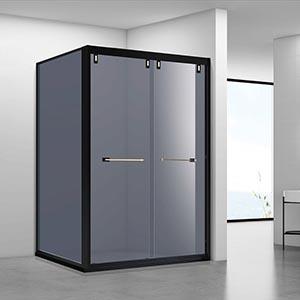
Can I use reeded glass for a shower enclosure as well?
Absolutely. Reeded glass shower doors have become increasingly popular in luxury bathrooms. The texture provides privacy while allowing light through, and modern cleaning coatings can be applied to the textured surface to prevent water spot buildup. Just ensure you use 3/8" or 1/2" thickness for safety in shower applications.
What is the standard thickness for reeded glass used in cabinets?
For framed cabinet doors (glass inserts), 1/8" is common. For frameless glass cabinet doors, 3/16" or 1/4" is recommended. The thicker glass better showcases the depth of the reeded pattern and feels more substantial when opening and closing.
Is reeded glass the same as fluted glass?
This causes confusion constantly. Reeded glass has parallel, vertical ridges—like a series of reeds standing side by side. fluted glass has concave grooves—like columns with rounded indentations. Both are textured, but the visual effect differs. Reeded feels more linear and architectural; fluted feels softer and more organic.
How do I find a reliable reeded glass supplier near me?
Start with architectural glass suppliers rather than hardware stores. Ask for samples. Verify they have experience with cabinet applications specifically. Check their Google reviews for mentions of "custom glass" and "delivery." If local options are limited or overpriced, reputable manufacturers ship nationwide with proper crating.
What type of hinges work best for heavy reeded glass doors?
For frameless glass doors, you need glass-specific hinges that clamp onto the glass rather than requiring holes (though many designs still use holes for security). Look for hinges rated for the weight of your glass—a 24" x 36" 1/4" door weighs approximately 25 pounds. Soft-close glass hinges exist and are worth the investment for kitchen use.
Will reeded glass yellow over time?
Quality glass from reputable manufacturers will not yellow. It's silicate-based and UV-stable. However, low-quality glass with high iron content can develop a slight green tint (visible on the edges), and some cheap patterned glass uses coatings that can degrade. Ask about low-iron options if color neutrality matters for your project.
Can I get a sample of reeded glass before ordering in bulk?
Any supplier worth working with will send samples. Expect to pay a small fee (often refundable with order) plus shipping. Hold the sample in different lighting conditions, at different times of day. The texture interacts with light beautifully, and you'll want to see that before committing.
Your Next Step to Transforming Your Space
Reeded glass cabinet doors represent a genuine investment in your home—not just financially, but in how your space feels and functions day after day.
The upfront cost is real. You'll pay more than you would for basic clear glass or solid doors. But the value you receive—light diffusion, privacy without heaviness, textural interest that never goes out of style—makes that investment worthwhile when you buy intelligently.
Remember the key takeaways:
-
Tempering is non-negotiable for safety
-
Thickness affects both appearance and durability
-
Direct manufacturer sourcing saves 30-50%
-
Professional installation prevents costly mistakes
-
Regular maintenance keeps doors beautiful for decades
At Hiking Glass, we've spent 15 years helping clients across 50 countries navigate exactly these decisions. We've seen what works, what fails, and what creates kitchens that people love for years.
Ready to get the perfect balance of cost and quality for your project? Our team will help you evaluate thickness options, tempering requirements, and fabrication details so you get exactly what you need—without overpaying or missing hidden costs.
Get a Free Quote in 12 Hours from our team at Hiking Glass. We'll help you navigate the options and deliver reeded glass cabinet doors that transform your space.
*Written by David Chen – 15 years export manager in Chinese glass manufacturing, served 800+ clients in 50 countries, and still gets excited every time I see a kitchen transformed by textured glass.*
Sources & Further Reading:
-
Houzz 2025 Kitchen Trends Report – Comprehensive data on material preferences and design directions
-
Architectural Glass Association Technical Paper on Tempered glass safety – Industry standards for glass in residential applications
-
Pinterest Predicts 2026: The Future of Home Design – Trend forecasting with actionable insights for homeowners and designers