
Why You Need a Safety Mirror in Your Manufacturing Plant Today
Why You Need a Safety Mirror in Your Manufacturing Plant Today
You ever round a warehouse corner and nearly collide with a forklift going Mach 10? That’s not just Monday mayhem—that’s a blind spot waiting to wreck your day. A safety mirror could’ve stopped that near miss before it started.
A mirror doesn’t clock in or take lunch, but it stands watch like an old-school foreman—quiet, sharp-eyed, and always on duty. “The right mirror placement cuts incident rates by over 70%,” says Ray Delgado, senior site engineer at Havenseek (2024 Plant Safety Review). That’s not just smart—it’s survival.
Truth is, most plants run on urgency and muscle memory. There’s no room for guesswork when steel meets skin at the wrong angle.
This isn't about mirrors—it's about sending folks home with all ten fingers attached and keeping your operation outta hot water with OSHA breathing down your neck.
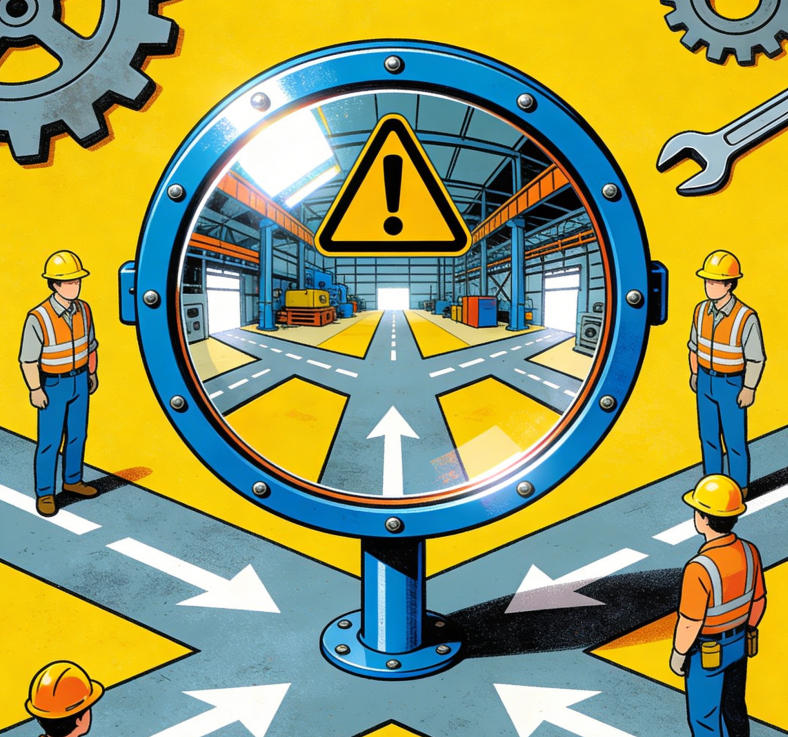
Why Every Manufacturing Facility Needs a Safety Mirror Today
Safety mirrors are more than just reflective tools—they’re lifesavers. Here's why every factory floor and warehouse should be equipped with them.
The Crucial Role of Safety Mirrors in Industrial Spaces
• Blind spots can be deadly—especially near forklifts or conveyor belts. A well-positioned safety mirror eliminates those visual gaps.
• Workers gain better visibility around corners, intersections, and storage racks.
• By improving awareness, these mirrors help prevent collisions between people and machinery.
• In busy environments, even a few seconds of extra reaction time—thanks to a wide-angle reflection—can mean the difference between safety and injury.
• Industrial sites that invest in visibility tools like safety mirrors often report fewer incidents and smoother traffic flow.
Compliance with OSHA Safety Standards and Beyond
According to the U.S. Bureau of Labor Statistics' April 2024 workplace safety report, over 20,000 warehouse injuries were linked to poor visibility conditions.
- OSHA doesn’t mandate specific mirror types but emphasizes eliminating hazards caused by obstructed views
- Installing convex or dome-style safety mirrors contributes directly to meeting these federal compliance guidelines.
- Beyond legal expectations, many insurance companies offer premium reductions for facilities using certified visual aids.
- Smart risk managers see these mirrors as part of broader workplace safety strategies—not just regulatory checkboxes.
“Facilities that proactively address blind spots reduce accident rates by up to 35%, according to National Safety Council data.”
Key Features to Look for in Safety Mirrors
✔️ High-impact acrylic or stainless steel construction ensures long-term durability.
✔️ Anti-glare coatings maintain optical clarity under harsh lighting conditions.
✔️ Wall-mounted or pole-mounted options offer flexible adjustability, especially around corners or loading docks.
✔️ Wide-angle curvature expands the field of view without distorting depth perception too much.
✔️ Weatherproofing is non-negotiable for outdoor placements exposed to rain, dust, or extreme temperatures.
When choosing a mirror for your facility, prioritize features that match your environment’s unique needs—from material strength to mounting style.
Comparing Acrylic vs. Stainless Steel Safety Mirrors
| Feature | Acrylic Mirrors | Stainless Steel Mirrors |
|---|---|---|
| Weight | Lightweight | Heavier |
| Impact Resistance | High | Very High |
| Weather Durability | Moderate | Excellent |
| Maintenance | Easy | Requires polishing |
| Cost | Lower | Higher |
Acrylic is great for indoor use where budget matters; stainless steel wins when it comes to heavy-duty applications needing extreme resilience against impacts and weather exposure. Both materials serve different purposes depending on your operational demands.
Enhancing Visibility: The Importance of Mirror Size and Shape
✦ A small flat mirror might work fine inside office corridors—but not on a forklift lane corner where wide coverage is critical.
✦ Use a large convex mirror—like a 48-inch panoramic dome—to monitor cross-traffic zones effectively.
✦ Convex shapes widen the visible area but can distort distance slightly; flat ones give true reflections but limited angles.
✦ Dome styles are ideal for ceiling mounts at four-way intersections inside warehouses or production floors with high shelving units blocking sightlines.
The right size isn’t about aesthetics—it’s about survival when seconds count during fast-paced operations involving moving machinery and foot traffic alike.
How Safety Mirrors Reduce Workplace Accidents Significantly
Simple but powerful, a safety mirror cuts down chaos in fast-moving zones. Let’s see how it’s changing things on the ground.
Real-World Impact: Safety Mirrors in Warehouse Loading Docks
Busy warehouse loading docks are prime spots for mess-ups—forklifts zooming, workers crisscrossing, and visibility often shot to bits.
- Drivers backing into tight bays rely on wide-angle views from convex mirrors to spot people or obstacles hiding in the shadows.
- Pedestrians walking behind cargo trucks are no longer invisible thanks to improved sightlines around blind spots.
- Supervisors report fewer near-misses where forklifts used to clip pallet stacks or graze workers due to poor visibility.
A well-placed safety mirror at a dock entrance changes everything—it acts like an extra set of eyes where human ones can’t reach. Especially in logistics-heavy setups, these mirrors help dodge both delays and injuries.
Safety Mirrors: Addressing Manufacturing Plant Corners
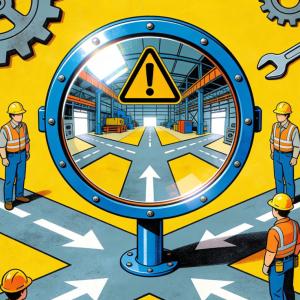
In hectic manufacturing plants, corners aren’t just sharp—they’re dangerous. That’s where a trusty convex mirror earns its keep.
• Forklift operators navigating tight turns get a clear view of intersecting paths. No more guessing who’s coming ‘round the bend.
• Line workers carrying materials around machinery can avoid walking straight into someone else—or worse, a moving part.
• Managers use them as passive safety tools that don’t require training or electricity—just good placement and regular cleaning.
According to a January 2024 study by the National Institute for Occupational Safety and Health (NIOSH), facilities using overhead corner mirrors saw up to a "42% drop" in worker collision incidents over two years. That kind of stat speaks louder than any memo ever could.
Case Study: Convex Mirrors in Hospital Hallway Intersections
Hospitals don’t have time for hallway fender benders between gurneys and nurses juggling IV poles—and neither do patients.
Narrow intersections? A curved mirror makes them safer without slowing anyone down. Staff rushing with emergency equipment can glance up, spot movement, and shift course instantly before impact happens.
These small tweaks make big waves:
– Doctors avoid sudden stops during patient transfers; smoother transitions mean better care flow.
– Janitorial carts no longer block hallways mid-turn; everyone sees what’s coming before it arrives.
– Even visitors feel more at ease navigating unfamiliar corridors with less awkward bump-ins.
So yeah, one little convex mirror above an intersection might not look like much—but inside hospitals, it quietly keeps things moving safely every single day.
Maximize Safety: 5 Key Advantages of Safety Mirrors
Keeping people and property safe starts with visibility. Here's how a well-placed safety mirror can change the game.
Shatter Resistant vs. Scratch Resistant: A Mirror Feature Comparison
Choosing between a shatterproof or scratchproof surface isn’t just about price—it’s about purpose.
- Shatter-resistant mirrors are built to absorb impact without sending dangerous shards flying, perfect for areas with heavy machinery or high foot traffic.
- On the flip side, scratch-resistant coatings help maintain clarity over time, especially where frequent cleaning or dust exposure is expected.
- Want both? Some industrial-grade mirrors now combine both features using layered polycarbonate or acrylic blends.
Now let’s get real with the numbers:
| Feature Type | Best Use Case | Durability Rating (/10) | Cost Range ($) |
|---|---|---|---|
| Shatter-resistant | High-impact zones | 9 | 50–120 |
| Scratch-resistant | Dusty/cleaning-heavy | 7 | 40–100 |
| Dual-protection | All-purpose industrial | 10 | 75–150 |
In messy environments like warehouses, investing in long-lasting visibility tools like these makes all the difference.
Weatherproof Outdoor Rated Mirrors: The Smart Choice for Manufacturing
When your factory lot faces blazing sun, biting cold, or sideways rain—only one kind of mirror survives it all.
• These heavy-duty mirrors are designed with full-on weather resistance, including anti-fog coatings and sealed edges that block moisture creep.
• Materials like stainless steel and UV-stabilized acrylic make them tough against rust and warping.
Let’s group what matters most:
Durability Factors:
— Built for extreme heat & cold (temperature extremes)
— Sealed frames prevent internal fogging
Safety Enhancers:
— Clear sightlines reduce collisions (industrial safety)
— Reflective coating holds up under direct sunlight (UV protection)
Maintenance Perks:
— No flaking paint or water spots after storms
— Minimal cleaning needed thanks to grime-shedding surfaces
If your facility has outdoor loading bays or perimeter blind spots, installing an outdoor-rated safety mirror is less of an upgrade—and more of a necessity.
Real Stories: How Safety Mirrors Prevented Accidents
Real-life examples show how a good safety mirror setup can literally save lives. Here's what happened when people got it right—or wrong.
A Near Miss: How a Convex Mirror Saved the Day
Visibility in warehouses is no joke, especially with machines like forklifts zipping around. One morning, a worker was rounding a corner just as a forklift came barreling through. But thanks to a well-placed convex mirror, both parties saw each other just in time.
• The warehouse had high shelves and tight aisles—classic recipe for blind spots.
• The forklift driver, trained but distracted, relied on the mirror at the junction.
• The pedestrian paused after catching movement in the reflection—narrowly avoiding injury.
That single safety device turned what could’ve been an accident into nothing more than an adrenaline rush and a reminder that mirror placement saves lives.
Parking Garage Exits: A Convincing Testimonial of Safety
In multi-level garages, drivers often face poor visibility at intersections and ramps. That’s where well-positioned mirrors make all the difference.
- Blind spots eliminated: Wide-angle convex mirrors reveal oncoming vehicles even around sharp bends.
- Exit safety improved: Drivers exiting parking garages report fewer close calls when mirrors are installed near ramps.
- Security mirror benefits: Increased visibility also deters theft and vandalism by improving surveillance angles.
- Traffic flow enhanced: Vehicles move more confidently and fluidly through choke points.
- Real-world testimonial from one downtown garage manager noted that after installing four large convex mirrors, rear-end incidents dropped by over 70%.
In tight spaces where reaction time is limited, having those extra eyes makes every turn less risky.
Impact Resistant Backing: A Manufacturing Success Story
Durability isn’t just about longevity—it’s about surviving chaos without becoming part of it. In one industrial plant, this truth hit hard during an equipment malfunction that sent debris flying toward multiple fixtures—including one mounted mirror.
That mirror didn’t shatter; it stayed intact because it had an impact resistant backing designed for such environments. Here’s how similar models compare:
| Mirror Type | Backing Material | Break Resistance Rating | Ideal Use Case |
|---|---|---|---|
| Standard Acrylic | None | Low | Office corridors |
| Tempered Glass | Thin aluminum | Medium | Retail loading zones |
| Polycarbonate | Steel-reinforced | High | Heavy-duty factories |
| Havenseek Composite | Dual-layer polymer | Very High | Chemical plants |
This wasn’t just luck—it was smart planning with industrial-grade materials built to take hits without compromising worker safety or visibility.
The Importance of Proper Mounting: Lessons Learned from Real Incidents
Mounting seems simple—until someone gets hurt because it wasn’t done right. From crooked angles to loose fasteners, improper installation can turn helpful tools into hazards.
Step 1 — Assess your environment:\nCheck line-of-sight issues, light sources, and traffic patterns before choosing placement for your mirror setup.
Step 2 — Choose secure fastening:\nUse anchors appropriate for wall material—drywall won’t hold up against heavy-duty use unless reinforced properly.
Step 3 — Adjust viewing angle precisely:\nEven if it's mounted well, if it's tilted too far upward or downward, you're not getting full coverage of crucial zones like intersections or walkways.
Step 4 — Re-inspect regularly:\nWear-and-tear happens quickly in high-use areas; don’t let vibration or weather pull screws loose unnoticed.
Proper mounting ensures your visibility tool works exactly as intended—and doesn’t become another problem waiting to happen.
FAQs about Safety Mirror
What key features matter most when choosing safety mirrors for busy work areas?
In a space where forklifts hum and people weave through narrow lanes, the mirror becomes more than glass—it’s a guardian.
-
Shatter resistant coating keeps danger at bay after impact.
-
Weatherproof outdoor rated surfaces endure rain or scorching heat near manufacturing plant corners.
-
Anti-glare film applied ensures clarity under warehouse lighting glare.
-
Scratch resistant surface protects visibility in dusty industrial blind spots.
Which mirror size works best for large warehouse loading docks?
Picture a circular 48-inch diameter convex curved surface hanging above an intersection—its sweep reveals what eyes alone cannot see: trucks rolling in, pallets shifting, workers stepping out from shadows. That generous arc of vision shrinks risk before it can strike.
How does mirror shape influence accident prevention in high-risk zones?
Shapes speak their own language of safety:
| Shape Type | Best Use Area | Benefit |
|---|---|---|
| Convex curved surface | Parking garage exits | Expands view beyond direct sightline |
| Full dome 360-degree | Hospital hallways intersections | Monitors multiple approach angles at once |
| Half dome 180-degree | Manufacturing plant corners | Covers two converging pathways effectively |
Why is proper mounting vital to reliable performance?
A wall mount bracket set too low warps perspective; a pole mounting clamp angled wrong hides hazards instead of revealing them. The right height, steady alignment, and secure fixings turn acrylic polymer sheets or stainless steel polished surfaces into true sentinels—always watching over those who pass beneath their gaze.
![Acid Etched Glass Design: 7 Applications Beyond Privacy [Factory Guide]](/Uploads/news/69651395caa6c.jpg "Acid Etched Glass Design: 7 Applications Beyond Privacy [Factory Guide]")