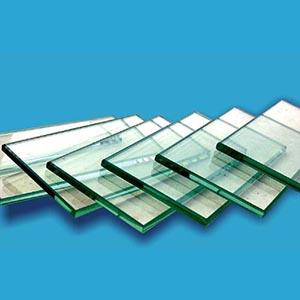
Description
Automatic Glass Loading Machine | 0-Breakage Jumbo Loader
Are you still relying on manual labor or outdated overhead cranes to maneuver 3-ton jumbo glass sheets? In our experience walking hundreds of factory floors across North America and Europe, manual handling is the absolute number one cause of edge micro-cracks, severe operator injuries, and devastating production bottlenecks. If your goal is to eliminate these hidden costs and scale your throughput, partnering with a reliable automatic glass loading machine supplier is the most profitable capital expenditure you can make for 2026.
Our heavy-duty, fully automated systems are engineered to seamlessly pick, lift, tilt, and transfer massive architectural float glass directly onto your CNC cutting lines with zero human physical exertion. By working directly with a premier commercial glass lifter factory like Hiking Glass, you bypass third-party distributors and integrators.
This direct-to-buyer model ensures you secure the absolute best float glass loading equipment price without sacrificing industrial-grade durability or safety. Read on to discover how our turnkey handling solutions can permanently transform your shop floor's efficiency.
8 Transformative Benefits of Our Jumbo Loader
- Maximize production speed by feeding CNC lines up to 40% faster than traditional crane methods.
- Eliminate operator fatigue and completely mitigate catastrophic workplace injury risks.
- Guarantee 0% breakage during the crucial horizontal-to-vertical tilting and transportation phases.
- Integrate flawlessly with major European and Asian glass cutting tables (Bottero, Intermac, etc.).
- Secure your glass with high-density, imported silicone vacuum cups designed for sensitive low-E coatings.
- Optimize floor space with a compact footprint engineered for both single and double-sided rack configurations.
- Reduce raw material waste by preventing edge-chipping caused by sudden mechanical jolts.
- Slash your total cost of ownership with our transparent, factory-direct pricing model.
Table of Contents
- 1. Why Upgrade Your Glass Factory in 2026?
- 2. The Hidden Costs of Manual Glass Handling
- 3. Core Engineering of Our Industrial Float Glass Handling Table
- 4. Detailed Technical Specifications
- 5. Intelligent Control & Vacuum Systems
- 6. Who Needs a Jumbo Glass Loader Manufacturer?
- 7. Real-World Factory Applications
- 8. Hiking Glass vs. Competitors (Comparison)
- 9. Honest Pros, Cons & Facility Requirements
- 10. Safety Standards & CE Certifications
- 11. Integration with CNC Cutting Lines
- 12. Maintenance & Durability
- 13. ROI & Pricing Breakdown
- 14. What Brands Won't Tell You About Installation
- 15. Buyer FAQ: Top Questions Answered
- 16. Buying Guide & Next Steps
1. Why Upgrade Your Glass Factory in 2026?
The glass fabrication industry is facing unprecedented labor shortages and skyrocketing worker compensation premiums. In 2026, relying on three to four operators to muscle a jumbo sheet of glass is not just inefficient; it is financially irresponsible.
1.1 Overcoming the Labor Shortage
Finding operators willing to handle hazardous, heavy glass sheets is becoming nearly impossible. Automation is no longer a luxury for top-tier processors—it is a baseline requirement for survival and growth in a highly competitive architectural glass market.
1.2 Meeting Demand for Jumbo Architectural Glass
Modern architects are demanding massive, seamless glass facades. If your factory cannot safely and rapidly process oversized glass (jumbo size), you will lose lucrative commercial contracts to competitors who have invested in proper handling infrastructure.
2. The Hidden Costs of Manual Glass Handling
What most facility managers underestimate is the compounded cost of micro-errors. Manual loading doesn't just slow you down; it bleeds your profit margins through invisible damage and downtime.
2.1 The Silent Profit Killer: Micro-Cracks
When glass is set down too hard by a manual crane, micro-cracks form at the edges. These sheets often make it through the cutting process, only to shatter inside the tempering furnace—ruining the entire batch and causing hours of costly downtime.
2.2 The Bottleneck Effect
Your $200,000 CNC cutting table is useless if it is constantly waiting for the next sheet of glass. Manual loading restricts your most expensive machinery to the physical speed of your slowest workers.
3. Core Engineering of Our Industrial Float Glass Handling Table
We do not build lightweight, disposable equipment. As a dedicated jumbo glass loader manufacturer, we engineer our tables to withstand relentless 24/7 industrial production cycles.
3.1 Heavy-Duty Carbon Steel Chassis
The foundation of our loader is constructed from thick-walled, stress-relieved rectangular carbon steel tubes. This extreme rigidity guarantees absolute zero frame torsion when lifting 3,000 kg jumbo sheets, preventing glass snapping.
3.2 Precision Gear Rack & Pinion Transmission
Instead of cheap chain drives that stretch and jerk over time, we utilize high-precision helical gear racks and servo motors. This ensures buttery-smooth acceleration and deceleration, completely eliminating the jarring motions that cause glass to slip.
4. Detailed Technical Specifications
Transparency is our policy. Below are the rigorous specifications that make our automatic glass loading machine the industry standard for commercial fabrication facilities.
4.1 Equipment Capability Matrix
| Specification Item | Technical Parameter |
|---|---|
| Max Glass Size (Jumbo) | 3300mm x 6000mm (Customizable) |
| Min Glass Size | 1500mm x 2000mm |
| Glass Thickness Range | 3mm - 25mm |
| Max Lifting Weight | Up to 1500 KG - 3000 KG (Model dependent) |
| Loading Cycle Time | 45 - 60 Seconds per sheet |
4.2 Power & Pneumatic Requirements
Our systems require a standard 380V/50Hz (or 480V/60Hz for North America) 3-phase power supply. Your facility must also provide clean, dry compressed air at a stable 0.6 - 0.8 MPa to ensure the vacuum generators operate at peak efficiency.
5. Intelligent Control & Vacuum Systems
The mechanical frame provides the brawn, but the proprietary electronics package provides the brains required for safe, autonomous operation.
5.1 Omron/Siemens PLC Architecture
We rely exclusively on globally recognized PLC brands. The interface is highly intuitive, allowing a single operator to manage the entire loading sequence via a touchscreen HMI, significantly reducing the training curve for new employees.
5.2 Multi-Zone Independent Vacuum Control
Not all glass sheets are the same size. Our intelligent vacuum system is segmented into multiple isolated zones. The operator can activate or deactivate specific suction cups based on the glass dimensions, conserving air pressure and preventing false suction alarms.
6. Who Needs a Jumbo Glass Loader Manufacturer?
This industrial float glass handling table is not designed for small mom-and-pop window replacement shops. It is a serious production asset built for scale.
6.1 High-Volume Architectural Processors
If you temper, laminate, or create insulated glass units (IGUs) for commercial skyscrapers, the sheer weight and volume of the raw float glass require automated robotic handling to maintain your daily output quotas.
6.2 Automotive Glass Fabricators
Automotive production lines require extreme precision. The zero-scratch guarantee provided by our premium silicone suction cups ensures that the optical clarity of windshield raw materials is completely preserved before cutting.
7. Real-World Factory Applications
Our customers consistently tell us that installing an automatic glass loading machine was the turning point for their factory's profitability.
7.1 Single-Sided vs. Double-Sided Racks
We offer versatile configurations. A single-sided loader is perfect for factories running one dedicated glass type (e.g., standard clear float). For shops alternating between clear and Low-E glass, our double-sided mobile loaders can pull from two different A-frames on demand.
7.2 Maximizing Tight Floor Plans
Space is premium real estate. Our engineers optimize the track travel distance, allowing the loader to sit incredibly close to the A-frame racks, saving you valuable square footage for other processing equipment.
8. Hiking Glass vs. Competitors (Comparison)
Why choose Hiking Glass over a famous European brand or an ultra-cheap generic machine? Let's look at the objective data regarding the float glass loading equipment price and long-term value.
8.1 The Vendor Comparison Matrix
| Feature | Hiking Glass (Factory Direct) | European Brands | Cheap Generic Imports |
|---|---|---|---|
| Initial Capital Investment | Highly Competitive (High ROI) | Extremely High | Suspiciously Low |
| Component Quality | Siemens/Omron, Heavy Steel | Premium | Unbranded/Thin Steel |
| Spare Parts Availability | Standard Global Parts (Easy sourcing) | Proprietary & Expensive | No After-Sales Support |
| Customization Speed | Fast & Flexible | Slow & Rigid | Non-existent |
9. Honest Pros, Cons & Facility Requirements
We believe in radical transparency. A true commercial glass lifter factory will tell you exactly what their equipment can and cannot do.
9.1 The Clear Advantages (Pros)
The pros are undeniable: massive reductions in manual labor costs, zero physical injuries, elimination of glass breakage during transport, and a steady, predictable feed rate that keeps your downstream CNC equipment running at maximum profitability.
9.2 The Limitations (Cons)
This system requires a dedicated, perfectly leveled concrete foundation for the floor tracks. It is also not suitable for extremely small architectural cut-offs or odd-shaped remnants; it is designed for handling full, rectangular raw sheets.
9.3 Strict Air Quality Needs
What most brands won't tell you is that vacuum pumps hate moisture. Your facility absolutely must have an air dryer installed on your compressor lines. Wet air will degrade the pneumatic valves and compromise the vacuum seal safety over time.
10. Safety Standards & CE Certifications
When handling three tons of glass suspended in the air, safety is not optional. It is the core metric of our engineering process.
10.1 Multi-Layer Redundant Safety Systems
Our automatic glass loading machine features a dual-circuit vacuum system. In the event of a total factory power failure, the integrated check valves and vacuum accumulators will hold the glass sheet securely in place for over 15 minutes, allowing operators to secure the area.
10.2 Global Compliance
All Hiking Glass equipment is manufactured under strict ISO9001 quality control protocols and carries full CE certification, ensuring total compliance with European and North American industrial machinery safety directives.
11. Integration with CNC Cutting Lines
An industrial float glass handling table must play nice with your existing factory ecosystem. We design our machinery to be vendor-agnostic.
11.1 Seamless Handshake Protocols
Our PLC can receive "ready for glass" signals from almost any modern CNC cutting table. Once the cutter is clear, our loader autonomously fetches the next sheet, squaring it perfectly on the table's air-float surface before retracting.
11.2 Edge Detection Sensors
High-precision photoelectric sensors map the exact position of the glass on the A-frame. This prevents the loader from crashing into the rack, adjusting its approach angle dynamically based on the lean of the glass stack.
12. Maintenance & Durability
Industrial machinery must be easy to maintain. We build our equipment with open-architecture layouts so your maintenance crew doesn't need to dismantle the whole machine just to reach a simple sensor.
12.1 Silicone Pad Lifespan
The imported silicone suction cups are highly resistant to oil and ozone. With regular cleaning to remove glass dust, these pads typically last 18-24 months under heavy multi-shift usage before requiring a low-cost replacement.
12.2 Lubrication and Upkeep
Centralized lubrication blocks make weekly maintenance a 5-minute job. Simply pump the central grease nipple, and the system distributes lubrication to all critical linear guides and gear racks automatically.
13. ROI & Pricing Breakdown
Procurement directors always ask about the bottom line. Let's look at why the float glass loading equipment price is a fraction of the cost it saves you.
13.1 Labor Cost Replacement
A typical manual handling team requires 3-4 strong workers per shift. By automating this, you can reassign 2-3 workers to higher-value tasks (like CNC operation or quality control). In most Western markets, this labor shift pays for the machine in under 14 months.
13.2 The Zero-Breakage Dividend
Breaking a single jumbo sheet of specialized Low-E coated glass can cost thousands of dollars in material and disposal fees. By eliminating just two major breakages a month, the loader generates immense monthly savings.
14. What Brands Won't Tell You About Installation
Many suppliers sell you the machine and leave you to figure out the rest. As a premium jumbo glass loader manufacturer, we ensure successful deployment.
14.1 Foundation Leveling is Everything
If your concrete floor is uneven, the walking tracks will bind, and the servo motors will burn out prematurely. We provide detailed foundation CAD drawings long before the machine ships, ensuring your site prep is flawless.
14.2 On-Site vs. Remote Commissioning
Thanks to our modular shipping design and plug-and-play wiring harnesses, most capable factory maintenance teams can install the unit with our remote video engineering support, saving you thousands in international technician flight and hotel costs.
15. Buyer FAQ: Top Questions Answered
Q1: What is the average float glass loading equipment price for a jumbo model?
The exact price varies based on weight capacity (e.g., 1500kg vs 3000kg), whether you need single or double-sided rack configurations, and total track length. Because we are a direct factory, our prices generally run 30-40% lower than European integrators while using the same tier of electronic components. Contact us for a customized 2026 quote tailored to your floor plan.
Q2: Can your industrial float glass handling table lift coated Low-E glass without scratching?
Absolutely. We use premium, ultra-soft imported silicone vacuum cups specifically engineered for sensitive architectural glass. They do not leave carbon marks or suction rings, ensuring the delicate Low-E coating remains 100% pristine before tempering.
Q3: How long does it take to manufacture and ship the machine?
For standard automatic glass loading machine models, our manufacturing lead time is roughly 30 to 45 days. Ocean freight to North American or European ports typically adds another 25 to 35 days. We recommend planning your capital equipment purchases 3 months in advance of your required installation date.
Q4: Are the replacement parts difficult to source overseas?
No. We purposefully design our loaders using internationally standardized components. The PLC is Siemens/Omron, the pneumatics are SMC/Airtac, and the contactors are Schneider. You can source over 90% of the wear parts from your local industrial supply house (like Grainger or McMaster-Carr) if needed.
Q5: What happens if there is a sudden power outage while lifting jumbo glass?
Safety is paramount. The system is equipped with vacuum non-return valves (check valves) and integrated vacuum reserve tanks. If the facility loses power, the system will mechanically hold the glass sheet in suspension for at least 15 to 20 minutes, allowing your team to safely brace or lower the load.
Q6: Can this equipment communicate with my older Bottero or Lisec cutting table?
Yes. Our PLC systems are highly adaptable. As long as your existing cutting table has an open dry contact (I/O signal) to send a "Table Clear / Ready for Glass" command, our engineers can map the handshake protocol to ensure seamless, fully automated continuous feeding.
16. Buying Guide & Next Steps
16.1 Assessing Your Factory Layout
Before requesting a quote, please measure your available floor space, the height of your factory ceiling, and the maximum dimensions of the glass you intend to process. Our engineers will use this data to recommend the precise track length and arm reach required for your specific workflow.
16.2 Partner with a Trusted Manufacturer
Do not let manual handling bottleneck your million-dollar CNC investments. Upgrading to a heavy-duty industrial float glass handling table secures your workers' safety and supercharges your output.
Stop Losing Money on Smashed Glass and Slow Production
Join the hundreds of commercial glass fabricators worldwide who trust Hiking Glass to automate their heavy lifting. As your premier commercial glass lifter factory, we guarantee 0% breakage, unmatched heavy-duty reliability, and transparent factory-direct pricing that maximizes your ROI.
Ready to upgrade your shop floor?
Get Free Quote in 12 Hours & Download 2026 Catalog PDF