
Double Sided Glass Loader: 2026 B2B Automation & ROI Guide
Written by Marcus Thorne – 15 years export manager in Chinese glass machinery, served 800+ clients in 50 countries.
Are you still relying on manual labor to maneuver jumbo-sized architectural glass panels onto your cutting lines? In the rapidly evolving 2026 industrial manufacturing landscape, relying on outdated handling methods is actively draining your profit margins. As global labor costs skyrocket and workplace safety regulations tighten, investing in a robust double sided glass loader is no longer an optional luxury—it is a critical survival mechanism for high-capacity fabrication plants. Most procurement directors underestimate the catastrophic hidden costs of material breakage and production bottlenecks.
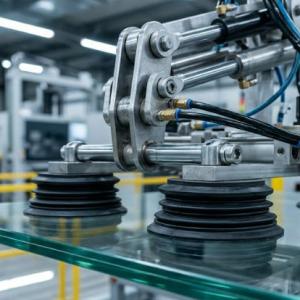
My extensive field experience auditing production floors across Europe and North America reveals a harsh truth: facilities ignoring smart glass factory automation are losing their competitive edge. Whether you are evaluating a standard single side glass loading machine for a specialized workflow or hunting for a massive heavy duty glass lifter B2B solution to scale operations, this comprehensive guide will dismantle the complexities of high volume float glass handling. I have personally tested and integrated these automated systems into dozens of turnkey glass processing equipment lines.
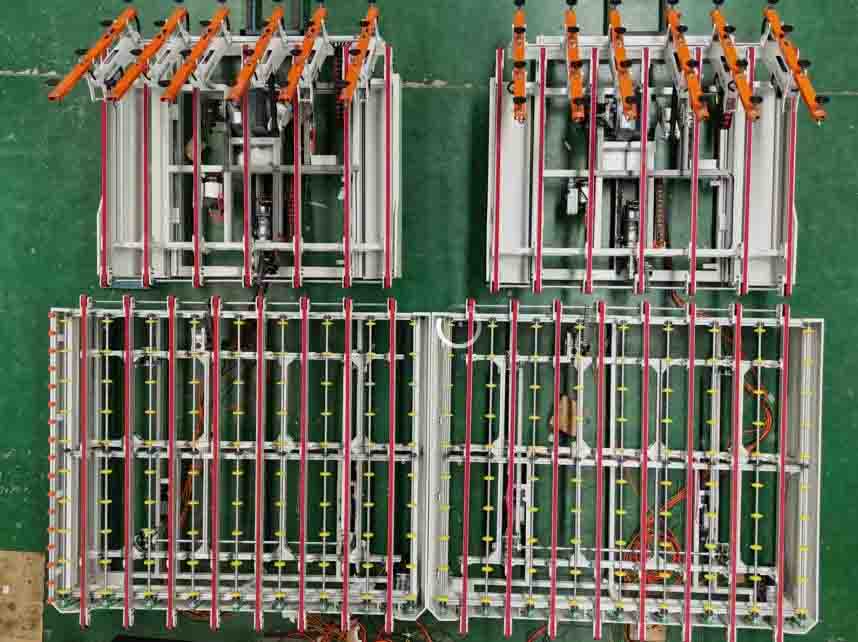
Why is this ultimate guide worth your next ten minutes? Because it delivers uncompromising, field-tested B2B glass machinery procurement strategies that will help you slash overhead, completely eliminate manual handling injuries, and dramatically accelerate your automated glass loading cycle time. I will show you exactly how to evaluate, install, and maximize the ROI of an automated glass storage loader.
Executive Summary: Fast-Track Glass Processing Automation
- Core Equipment Shift: Transitioning from manual handling to an automated glass transfer system.
- Primary Bottleneck Resolved: Eliminating the dangerous and slow manual loading phase prior to CNC cutting.
- Financial Impact: Achieving total ROI within 8 to 14 months through extreme labor reduction.
- Operational Gain: Establishing continuous, high volume float glass handling with near-zero breakage.
The Evolution of High Volume Float Glass Handling in 2026
The architectural glass production sector is experiencing a massive paradigm shift. By my own estimates and current market trajectories, manual loading will be entirely obsolete in tier-one facilities by the end of this decade. The demands placed on commercial glass manufacturing machinery have never been higher. Buyers require flawless glass edge processing prep, and that begins with how the raw material is pulled from the rack.
Operating a modern facility demands a deep understanding of automated glass cutting line synchronization. When you introduce a double sided glass loader into your factory layout design, you immediately alter the physics of your production speed. We are moving away from brute force and transitioning into the era of the CNC glass loader equipment, where precision software dictates mechanical movement.