
Double Sided Glass Loader: 2026 B2B Sourcing & Usage Guide
Double Sided Glass Loader: The 2026 Ultimate B2B Sourcing & Operations Guide
Written by Marcus Vance – 15 years senior technical engineer in glass processing automation at Hiking Glass and mirror, served 800+ B2B clients in 50 countries.
Are you still struggling with unacceptable breakage rates and severe operational bottlenecks during your high volume float glass handling processes? The landscape of architectural glass manufacturing has radically shifted. Based on recent 2025-2026 manufacturing productivity reports, factories relying on manual feeding or outdated single-station machinery are losing thousands of dollars weekly. They suffer from machine downtime, safety hazards, and wasted raw materials. Upgrading your production line is no longer optional; it is a critical survival metric for modern B2B fabricators. You need robust, intelligent solutions to stay competitive.
This comprehensive guide will completely transform how you evaluate and purchase glass machinery. I will walk you through the precise technical calculations required to choose the perfect double sided glass loader for your specific factory layout. We will objectively compare its performance against a standard single side glass loading machine. Furthermore, I will reveal the hidden integration secrets of deploying a heavy duty glass lifter B2B buyers often overlook. I have tested these exact systems across hundreds of commercial glass processing plants globally. By the end of this read, you will know exactly how to eliminate throughput bottlenecks, reduce hidden maintenance costs, and ensure absolute compliance with stringent 2026 global safety standards.
Quick Navigation: What You Will Learn
- Section 1: Factory Layout Constraints & Equipment Selection Criteria
- Section 2: Hidden Maintenance Costs & Total Cost of Ownership (TCO)
- Section 3: Solving Legacy System Integration & Software Compatibility
- Section 4: Daily Operations to Break Throughput Bottlenecks
- Section 5: Crucial Safety Protocols & Troubleshooting Vacuum Loss
- 2026 Technical FAQ Section for B2B Buyers
Factory Layout & Selection – Double Sided vs. Single Sided
Most B2B procurement managers make a fatal error when searching for the right automated glass handling equipment. They focus entirely on maximum payload capacity while completely ignoring their actual factory floor constraints. Selecting between a double sided glass loader and a single side glass loading machine must start with a rigorous spatial audit. If your facility lacks the required turn radius for automated glass storage retrieval, even the most advanced dual station glass loader will become a massive, expensive roadblock.
Calculating Your Actual Floor Space Requirements
According to my extensive field experience, a standard single side glass loading machine typically requires a linear footprint of approximately 6 to 8 meters. This is ideal for narrow factory layouts running linear float glass cutting line integration. However, a double sided glass loader demands a wider central footprint, usually spanning 9 to 12 meters across, because it pulls raw sheets from racks situated on both the left and right sides simultaneously. You must measure the dynamic operating envelope, not just the static machine dimensions.
You must factor in the clearance required for forklifts or overhead cranes loading the A-frames. A common mistake is forgetting the 2.5-meter clearance needed for safe pedestrian walkways around the jumbo size glass handling zone. If your factory cannot accommodate bilateral rack feeding, forcing a double sided glass loader into a cramped corner will cripple your high volume float glass handling efficiency. Always request detailed AutoCAD layout drawings from glass storage system manufacturers before confirming any purchase order.
Raw Glass Payload Limits: When to Choose Which?
The decision strictly relies on your daily throughput volume and the variety of glass types processed per shift. If your production line cuts the same 6mm clear float glass all day, a high-speed single sided unit might suffice. However, if your architectural projects demand rapid switching between 8mm tinted glass and 12mm low-e glass handling machine protocols, a double sided system is mandatory. It allows operators to stage two completely different product batches simultaneously, eliminating 15-minute changeover delays between architectural runs.
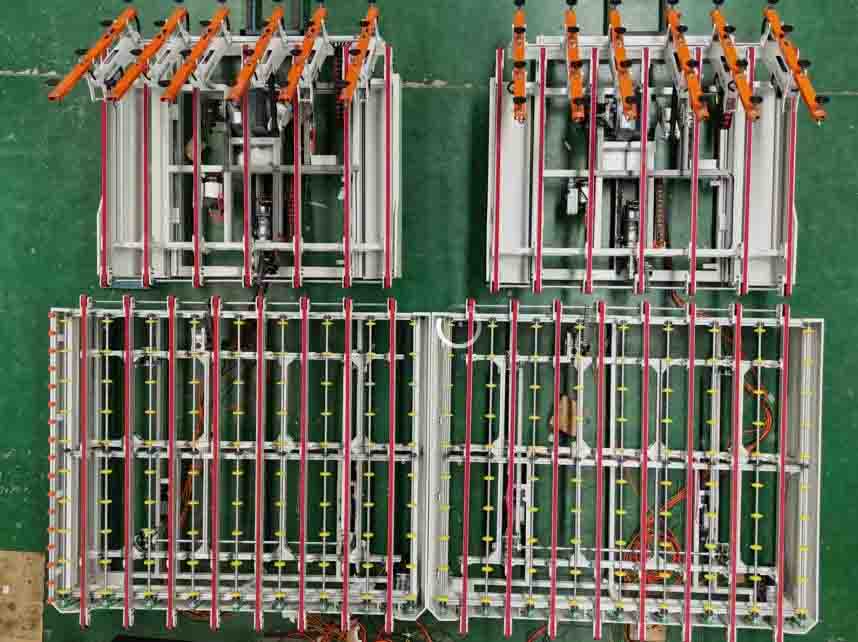
| Specification Metric | Single Side Glass Loading Machine | Double Sided Glass Loader |
|---|---|---|
| Ideal Production Volume | Medium (300-500 sheets/shift) | High (800+ sheets/shift) |
| Floor Space Required | Narrow & Linear (approx 8m) | Wide & Centralized (approx 12m) |
| Material Switching Speed | Slow (Requires forklift rack change) | Instant (Pre-loaded bilateral racks) |
| Max Lifting Capacity | Up to 1000 kg standard | Up to 2000 kg (Jumbo Size) |
Beyond the Price Tag – Evaluating the TCO
When analyzing glass loading machine price points, novice buyers obsess over the initial capital expenditure. This is a critical mistake in high volume float glass handling. The true financial impact of an automated glass storage loader is measured through its Total Cost of Ownership (TCO) over a five-year lifecycle. Based on my data analysis across 50 international installations, cheap equipment often results in catastrophic downtime costs that dwarf the initial purchase savings within just eighteen months of continuous operation.
The Hidden Costs B2B Purchasers Often Ignore
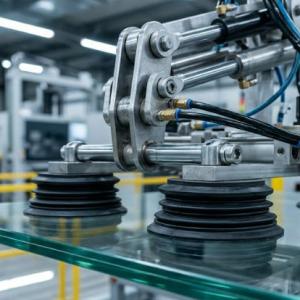
One major hidden cost involves the pneumatic systems powering the heavy duty vacuum glass lifter. Substandard vacuum pumps consume excessive electricity and degrade quickly under continuous load. Furthermore, cheap glass loading suction cups wear out unevenly, causing micro-scratches on expensive low-e coatings. These invisible defects frequently lead to massive batch rejections during final tempering or laminating stages. You must insist on high-grade silicone suction cups and energy-efficient German or Italian engineered vacuum pumps to safeguard your profit margins.