

Exploring Different Materials for Cabinet Doors
Exploring Different Materials for Cabinet Doors
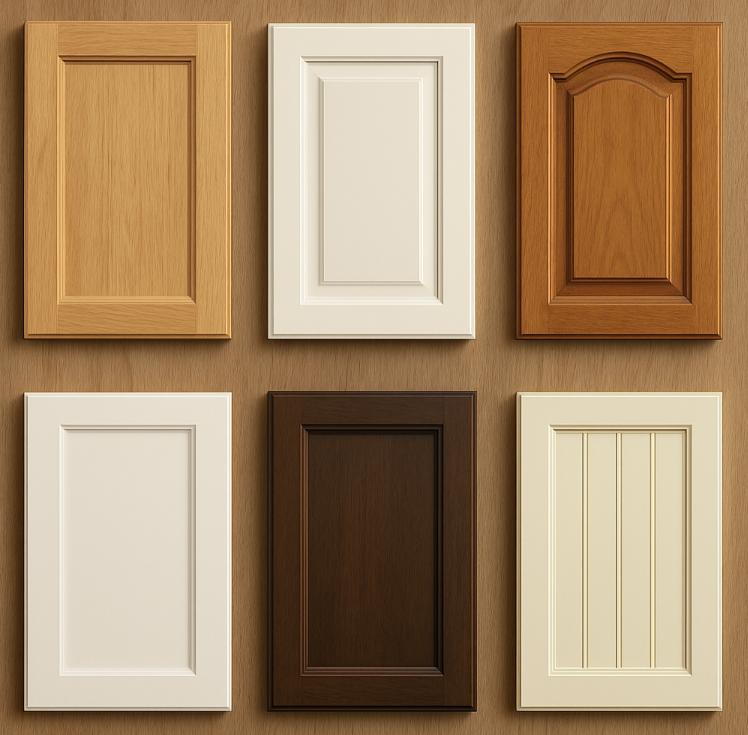
When it comes to designing your kitchen or bathroom, cabinet doors play a pivotal role in setting the tone and style of the space. Not only do they provide essential storage, but they also contribute significantly to the aesthetics of the room. With so many materials available, it can be challenging to decide which type is best for your needs. This guide will explore various materials used for cabinet doors, helping you make an informed decision for your next renovation project.
Cabinet doors are made from a variety of materials, each offering unique benefits and drawbacks. Your choice will depend on factors such as durability, aesthetics, and budget. Here's a breakdown of some popular options:
Wood Cabinet Doors
Wood is the classic choice for cabinet doors, renowned for its timeless appeal and natural beauty. It offers warmth and richness that can complement any decor style.
Types of Wood
· Hardwood: Oak, maple, and cherry are popular hardwoods known for their durability and strength. They are less likely to dent or scratch, making them ideal for high-traffic areas.
· Softwood: Pine and cedar are softer woods that offer a rustic charm. They are more affordable but can be more susceptible to damage.
Pros and Cons
· Pros: Durable, can be refinished, variety of finishes.
· Cons: Can be expensive, requires maintenance, susceptible to warping with moisture.
MDF (Medium-Density Fiberboard) Cabinet Doors
MDF is an engineered wood product made from wood fibers, wax, and resin. It's a popular choice for those looking for a cost-effective yet durable option.
Advantages of MDF
· Smooth Surface: Ideal for painting and creating custom designs.
· Stability: Less likely to warp or crack compared to solid wood.
· Affordability: Generally more budget-friendly.
Disadvantages of MDF
· Susceptibility to Water Damage: MDF can swell if exposed to water.
· Heavier than Wood: It can be more challenging to handle.
Glass Cabinet Door
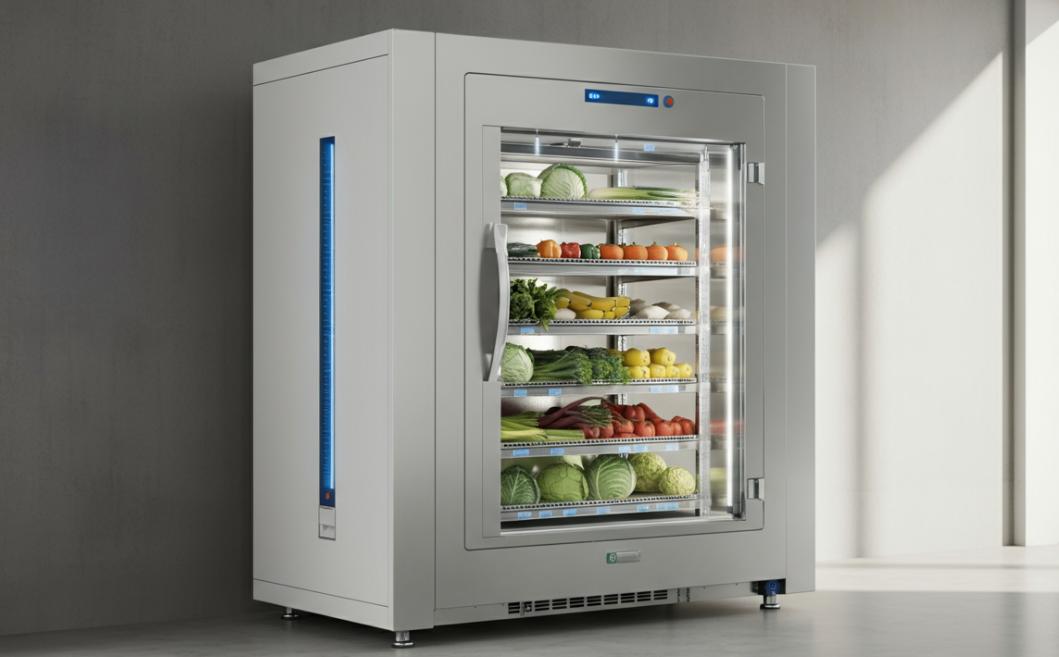
Glass cabinet doors add a touch of elegance and allow you to showcase your dishware or decorative items. They are perfect for creating a light, open feel in your kitchen.
Types of Glass
· Clear Glass: Offers full visibility of the cabinet contents.
· Frosted Glass: Provides some privacy while still letting light through.
· Textured Glass: Adds interest and can partially obscure the view.
Pros and Cons
· Pros: Visually appealing, easy to clean, versatile design options.
· Cons: Prone to breaking, can show fingerprints, contents must be kept tidy.
Laminate Cabinet Doors
Laminate is a synthetic material made by fusing multiple layers of paper or fabric with resin. It’s known for its durability and versatility.
Benefits of Laminate
· Wide Range of Designs: Available in numerous colors and patterns, including wood grain.
· Durability: Resistant to scratches and stains.
· Cost-Effective: More affordable than solid wood or glass.
Drawbacks of Laminate
· Appearance: May lack the depth and richness of real wood.
· Repairability: Damage is often difficult to fix.
Metal Cabinet Doors
Metal cabinet doors, such as stainless steel or aluminum, offer a sleek, modern look. They are commonly used in contemporary or industrial-style kitchens.
Advantages of Metal
· Durability: Highly resistant to damage and easy to clean.
· Modern Aesthetics: Adds a polished, professional touch.
Disadvantages of Metal
· Cost: Can be expensive.
· Cold Appearance: May not suit all interior styles.
glass cabinet door
How to Choose the Right Material for Your Cabinet Doors
When selecting the material for your cabinet doors, consider the following factors:
Budget
Your budget will significantly influence your choice. While solid wood offers luxury, materials like MDF and laminate provide a more economical alternative without compromising style.
Style and Aesthetics
Think about the overall look you want to achieve. For a traditional look, wood might be your best bet. For a contemporary design, consider glass or metal.
Durability
Consider how much wear and tear your cabinets will endure. Kitchens with high traffic might benefit from more durable materials like hardwood or metal.
Maintenance
Different materials require varying levels of upkeep. Glass, for example, needs regular cleaning to maintain its appearance, while wood may need periodic refinishing.
I like the glass door cabinet doors mostly
DIY: How to Build Cabinet Doors
For those who enjoy a hands-on approach, building your own cabinet doors can be a rewarding project. Here’s a simple guide to get you started:
Tools and Materials Needed
· Wood or MDF panels
· Saw
· Drill
· Sandpaper
· Paint or stain (optional)
· Hinges
· Handles or knobs
Steps to Build
1. Measure and Cut: Determine the size of your doors and cut the panels to fit.
2. Sand the Edges: Smooth out any rough edges with sandpaper.
3. Assemble: Attach the panels together if using a frame and panel design.
4. Finish: Paint or stain the doors to your desired color.
5. Attach Hardware: Install hinges and handles, then mount the doors onto the cabinets.
Building your own cabinet doors allows for customization and can be a cost-effective alternative to purchasing pre-made options.
Conclusion
Choosing the right material for your cabinet doors is crucial in achieving the desired look and functionality for your space. Whether you opt for the classic appeal of wood, the modern elegance of glass, or the durability of metal, each material offers distinct advantages. By considering your specific needs and preferences, you can select the perfect material to enhance your home’s aesthetic and practical appeal.
Remember, the best choice will align with both your style preferences and practical requirements, ensuring your cabinets serve you well for years to come.